
You’ve tried the toothpaste trick. You’ve scrubbed harder than you probably should have. You’ve even stood in front of the mirror at 1 a.m., convinced that this time the extraction will work. And yet, the whiteheads keep coming back — usually right before something important.
Here’s the good news: whiteheads are one of the most treatable forms of acne out there, but only if you stop fighting them the wrong way. Most people make their whiteheads worse without realizing it, simply because nobody ever explained why certain products help and others backfire.
This guide breaks down 14+ dermatologist-informed whitehead treatment tips — the exact ingredients that dissolve clogged pores, the habits that quietly cause breakouts, and the mistakes to stop making tonight. Stick around, because tip #9 is the one most people get completely wrong, and it might be the reason your whiteheads keep resurfacing.
What Are Whiteheads, Exactly?
Before jumping into treatment, it helps to know what you’re actually dealing with.
Whiteheads are a type of closed comedone — a small, flesh-colored or white bump that forms when a pore gets clogged with a mix of dead skin cells, excess oil (sebum), and sometimes bacteria. Unlike a blackhead, where that clog is exposed to air and oxidizes into a dark plug, a whitehead stays sealed just beneath the skin’s surface.
Here’s the thing: because whiteheads are closed off, you can’t push or squeeze them out the way you might with a blackhead. Trying to force one open usually just irritates the surrounding skin, and can even push the clog deeper — which is exactly how a harmless whitehead turns into an inflamed, painful pimple.
Whiteheads are also considered non-inflammatory acne, meaning they’re not typically red, sore, or swollen on their own. That’s actually useful information, because it tells you the goal isn’t to “kill” bacteria the way you would with a cystic breakout — it’s to gently clear the pore and keep it from clogging again.
What Causes Whiteheads in the First Place?
Whiteheads don’t appear out of nowhere. A few common triggers show up again and again:
- Excess oil production — often hormonal, and common during puberty, menstrual cycles, or times of stress
- Dead skin cell buildup that isn’t shedding properly and blocks the pore opening
- Heavy, pore-clogging (comedogenic) products — think thick moisturizers, certain sunscreens, or oil-based makeup
- Friction and buildup from phone screens, pillowcases, helmets, or hair products near the hairline
- Not removing makeup before bed, which traps oil and debris overnight
- Touching your face throughout the day, transferring bacteria and dirt to your pores
So what does this mean for you? It means the fix isn’t just about treating whiteheads once they show up — it’s about closing the loop so fewer new ones form. That’s exactly what the tips below are built to do.
Before Anything Else: The One Rule That Changes Everything
If you take only one thing from this article, let it be this: don’t pick, pop, or squeeze your whiteheads.
Whiteheads Treatment — whiteheads look so close to the surface that popping them feels like it should work. But because the clog is sealed under skin, forcing it out usually tears the surrounding tissue instead. That leads to irritation, redness, dark spots that can linger for months, and sometimes permanent scarring. Picking can also push bacteria deeper into the pore, which is how a simple whitehead turns into a much bigger, more inflamed breakout.
Save-worthy takeaway: Treating a whitehead takes days. Fixing a picking scar can take months.
Now, let’s get into what actually works.
14+ Whiteheads Treatment Tips That Actually Work
1. Cleanse Twice a Day — No More, No Less
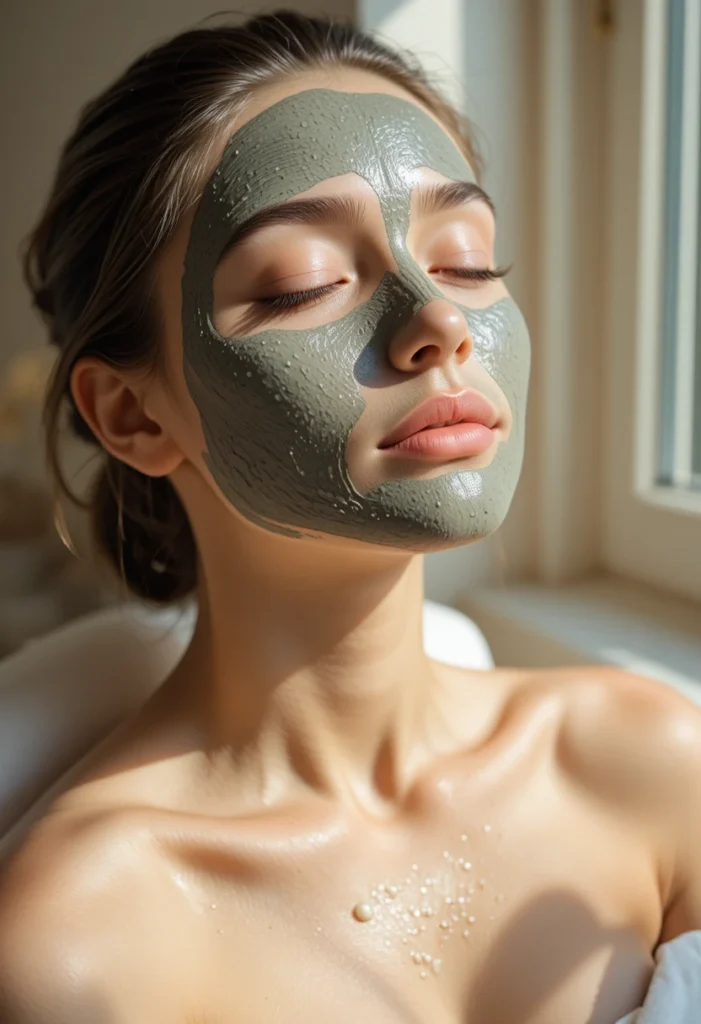
A gentle, sulfate-free cleanser used morning and night is the foundation of any whitehead treatment plan. Over-washing might feel productive, but it strips your skin’s natural barrier, which can actually trigger more oil production as your skin tries to compensate.
Quick tip: Always remove makeup and sunscreen before bed. Sleeping in makeup is one of the most common (and most avoidable) causes of overnight breakouts.
2. Bring In Salicylic Acid
Whiteheads Treatment single ingredient that deserves the MVP title for whiteheads, it’s salicylic acid. This beta-hydroxy acid (BHA) is oil-soluble, which means it can actually get inside the pore lining, break down the oil-and-dead-skin plug, and calm surrounding redness.
Look for salicylic acid in:
- Daily cleansers
- Leave-on toners
- Spot treatments (2% concentration is the most common OTC strength)
Because it can be drying, start with a few nights a week and build up rather than using it twice a day right away.
3. Try Benzoyl Peroxide for Stubborn Areas
Benzoyl peroxide works differently — it targets the surface bacteria that can aggravate clogged pores. It’s especially useful if your whiteheads tend to cluster in oilier zones like the forehead, nose, and chin (the “T-zone”).
Bucket brigade moment: But there’s a catch — benzoyl peroxide can bleach fabric, so let it dry fully before your face touches a pillowcase or towel.
4. Add a Retinoid Into Your Routine
Retinoids (including over-the-counter retinol, retinaldehyde, and adapalene, or prescription-strength tretinoin) speed up cell turnover. Since whiteheads form when dead skin cells don’t shed properly, retinoids essentially help your skin “unstick” that buildup before it has a chance to clog the pore.
As a bonus, consistent retinoid use also softens fine lines and refines the look of enlarged pores over time — so it’s doing double duty.
Start slow: two to three nights a week, always followed by a moisturizer, and always with SPF the next morning (retinoids increase sun sensitivity).
Read More : 14+ Fungal Acne Treatment Ideas That Actually Calm Those Stubborn Bumps
5. Use a Clay Mask Once or Twice a Week
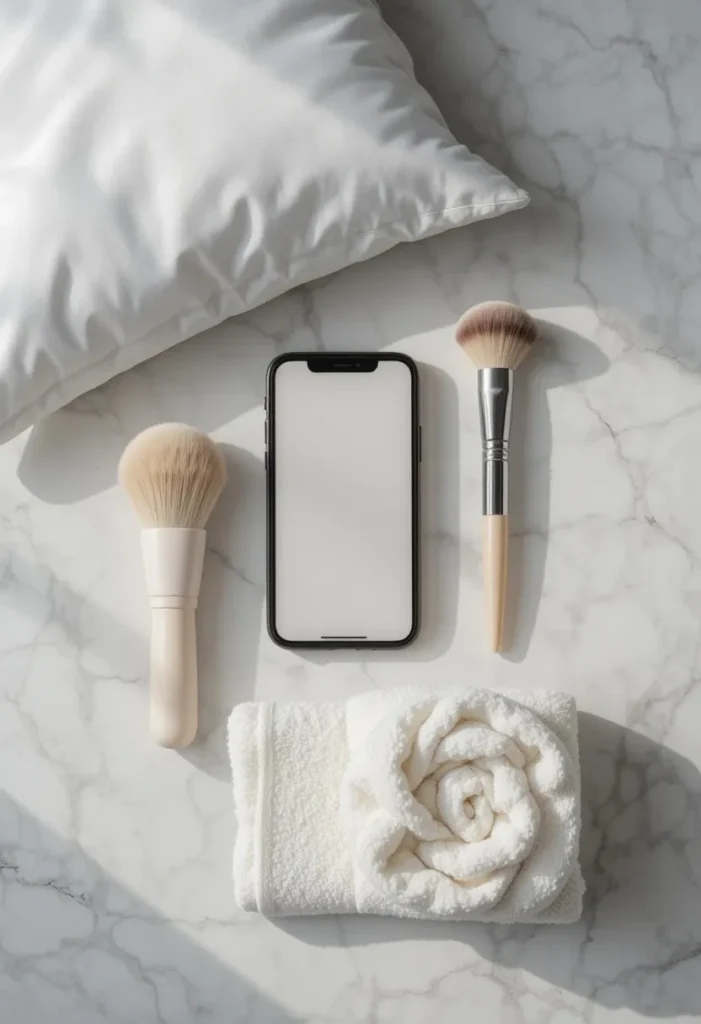
Clay masks (kaolin or bentonite) absorb excess surface oil and help draw out impurities sitting in the pore. They’re not a stand-alone fix, but they’re a great weekly addition — especially the night before a salicylic acid treatment, since clean, oil-free pores let active ingredients absorb more effectively.
6. Steam First, Then Extract Gently (If You Must)
If you’re going to attempt any kind of extraction, do it the safe way:
- Cleanse your face.
- Steam for 5–10 minutes (a warm washcloth works fine) to soften the clog.
- Use a sterilized comedone extractor — never your fingernails.
- Apply gentle, even pressure. If it doesn’t release easily, stop.
Here’s the honest truth: most whiteheads shouldn’t be manually extracted at home at all. This method is best reserved for a whitehead that’s already very close to the surface — and when in doubt, a licensed esthetician can do it far more safely during a facial.
7. Add Niacinamide to Regulate Oil
Niacinamide (vitamin B3) helps balance oil production, calm redness, and strengthen your skin barrier — which matters more than people realize, because a damaged barrier can actually make acne-prone skin more reactive and prone to breakouts. It also plays nicely with almost every other ingredient on this list, including retinoids and salicylic acid.
8. Switch to Non-Comedogenic Products Across the Board
This one is sneaky, because it’s not just about your moisturizer. Sunscreen, foundation, hair products, and even lip balm can clog pores if they’re not labeled non-comedogenic — especially along the hairline and jaw, where hair products tend to migrate onto skin throughout the day.
Pinnable tip: If you’re breaking out along your hairline or temples, check your dry shampoo and hairspray before blaming your skincare.
9. Exfoliate Chemically — Not With Scrubs
Here’s the tip most people get completely wrong: physical scrubs make whiteheads worse, not better.
Because whiteheads sit under intact skin, scrubbing doesn’t reach the clog — it just irritates the surface layer and can inflame nearby skin. Chemical exfoliants (AHAs like glycolic or lactic acid, and BHAs like salicylic acid) work below the surface instead, dissolving the “glue” that holds dead skin cells together without the friction. Use a chemical exfoliant 2–3 times a week, and skip the gritty scrub entirely.
10. Keep What Touches Your Face Clean

Your skin isn’t the only thing that needs attention — so does everything that touches it:
- Change pillowcases every 2–3 days
- Wipe down your phone screen daily
- Clean makeup brushes and sponges weekly
- Wash sports helmets or chin straps regularly
These are easy to overlook, but they’re constantly reintroducing oil and bacteria to your pores between skincare steps.
11. Use Tea Tree Oil as a Natural Spot Treatment
Tea tree oil has natural antibacterial and anti-inflammatory properties, making it a solid gentle option for mild whiteheads. Always dilute it (a few drops into a carrier oil like jojoba) before applying directly to skin — used undiluted, it can cause irritation.
12. Try a Honey Mask for Gentle, Antibacterial Care
Raw honey has natural antibacterial properties and is soothing enough for sensitive, acne-prone skin. Apply a thin layer to clean skin, leave it on for 10–15 minutes, then rinse with warm water. It won’t replace salicylic acid or retinoids, but it’s a nice, low-irritation addition once or twice a week.
13. Don’t Underestimate Hydration — Inside and Out
Oily, acne-prone skin still needs moisture. Skipping moisturizer to “dry out” whiteheads often backfires, since dehydrated skin can overproduce oil to compensate. Choose a lightweight, oil-free, non-comedogenic moisturizer, and pair it with plenty of water throughout the day to support your skin’s natural repair process.
14. Never Skip Sunscreen
This tip matters more than most people expect, especially if you’re using salicylic acid or retinoids — both increase sun sensitivity. Sun exposure without protection can also darken any post-acne marks left behind, turning a temporary whitehead into a lingering dark spot. Choose an oil-free, non-comedogenic SPF and apply it every morning, rain or shine.
15. Know When to See a Dermatologist

If your whiteheads are widespread, painful, or not responding to consistent at-home care after 6–8 weeks, it’s time to bring in a professional. A dermatologist can offer options that go beyond what’s available over the counter, including:
- Prescription-strength retinoids for stubborn or recurring whiteheads
- Chemical peels to clear built-up dead skin and unclog pores more intensively
- Professional extractions, done safely and sterilely
- Hormonal treatments, in cases where hormonal fluctuations are the underlying cause
There’s no single “magic fix” for whiteheads — the best results almost always come from combining a consistent routine with a little patience, and occasionally, professional support.
Mistakes That Make Whiteheads Worse (Stop Doing These)
Even a solid skincare routine can be undone by a few common habits:
- Popping or picking — the single biggest cause of scarring and lingering dark marks
- Over-exfoliating — using multiple active ingredients (retinol + AHA + BHA) at once can damage your skin barrier
- Skipping moisturizer because your skin feels oily
- Using toothpaste as a spot treatment — it’s not formulated for skin and can cause irritation, redness, and peeling
- Switching products too fast — most actives take 4–6 weeks of consistent use before you’ll see real results
Bucket brigade: So what should you actually expect? Slow, steady progress — not overnight miracles.
Frequently Asked Questions
How long does it take for whiteheads to go away?
Most whiteheads clear on their own within a few days to about a week. With a consistent treatment routine, you can often speed up the process and prevent new ones from forming.
Can whiteheads go away overnight?
Complete elimination overnight isn’t realistic, but a targeted spot treatment with salicylic acid or benzoyl peroxide applied before bed can visibly reduce a whitehead’s appearance by morning.
What’s the difference between whiteheads and blackheads?
Both are clogged pores, but whiteheads are closed beneath the skin’s surface (giving them a white or flesh-toned bump), while blackheads are open to air, which oxidizes the trapped debris and turns it dark.
Is it okay to pop a whitehead if it looks ready?
It’s best to avoid it entirely. Even a whitehead that looks “ready” can tear surrounding skin when squeezed, increasing the risk of scarring and further breakouts.
Do whiteheads only happen to teenagers?
No — while hormonal changes during adolescence make whiteheads common in teens, adults can develop them at any age due to stress, hormonal shifts, product buildup, or skincare habits.
What ingredients should I avoid if I have whiteheads?
Be cautious with heavy oils, thick comedogenic creams, and harsh physical scrubs. Highly acidic natural remedies like straight lemon juice or apple cider vinegar can also irritate sensitive skin.
The Bottom Line
Clearing whiteheads isn’t about finding one miracle product — it’s about building a routine that consistently keeps pores clean, balanced, and free of the buildup that causes clogs in the first place. Start with the basics — gentle cleansing, a salicylic acid or retinoid, non-comedogenic products, and sunscreen — then layer in extras like clay masks or tea tree oil as needed.

