If you’ve spent months swapping cleansers, adding more salicylic acid, and still staring at the same tiny, itchy bumps across your forehead or chest — you might not be fighting acne at all. You could be fighting yeast.
Fungal acne (technically called Malassezia or Pityrosporum folliculitis) is one of the most misdiagnosed skin issues out there, and it’s exactly why so many “acne-safe” routines quietly make it worse. The good news: once you know what’s actually happening under your skin, clearing it is very doable. Below are 14+ real, dermatology-informed treatment ideas — from quick pharmacy fixes to long-term routine rebuilds — so you can finally stop guessing and start healing.
What Is Fungal Acne, Really?
Fungal acne isn’t caused by clogged pores or bacteria like regular acne. It happens when a yeast that naturally lives on everyone’s skin, Malassezia, overgrows inside hair follicles. It’s officially known as pityrosporum folliculitis and develops when there is an overgrowth of fungi in the hair follicles, and it’s often mistaken for regular acne. Medical News Today
That mix-up matters because many go-to acne ingredients don’t touch yeast — and some oil-based products can actually feed it.
Quick signs it might be fungal acne instead of regular acne:
- Small, uniform, itchy bumps rather than varied-size pimples
- Clusters on the forehead, hairline, chest, back, or shoulders
- Breakouts that flare after sweating, humidity, or tight workout gear
- Little to no improvement with benzoyl peroxide or salicylic acid
- Bumps that look almost identical to each other in size and shape
If that sounds familiar, here’s your full treatment roadmap.
14+ Fungal Acne Treatment Ideas to Try
1. Start With an OTC Antifungal Cream
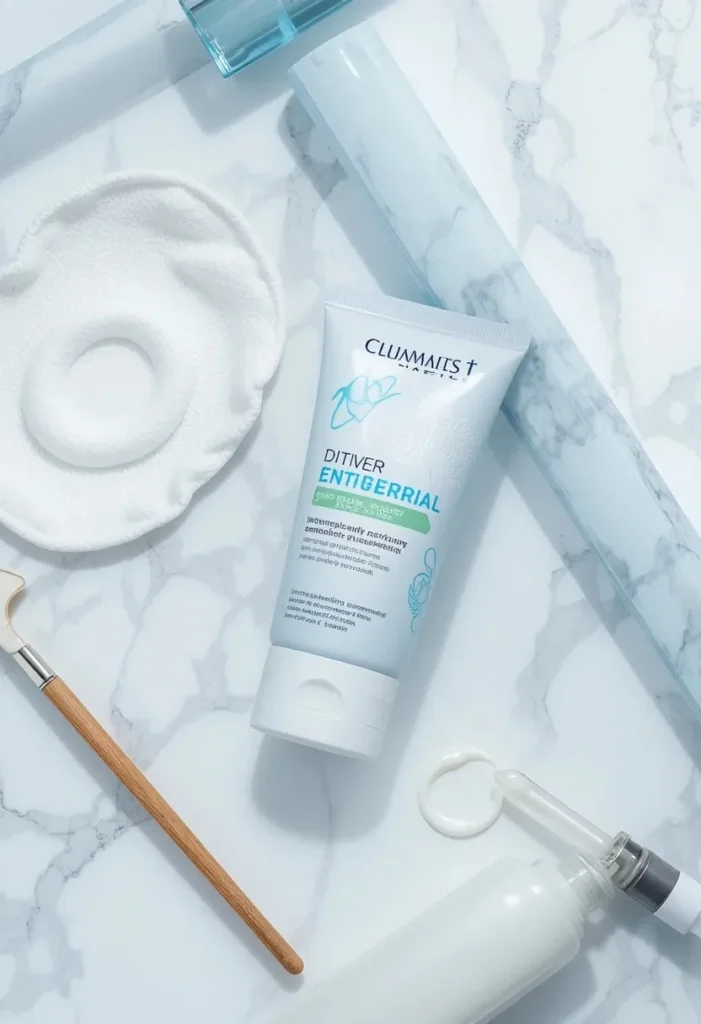
This is usually the fastest entry point. Antifungal creams, body washes, shampoos, and medicated creams from the pharmacy can help treat fungal acne at home, and products containing ketoconazole, selenium sulfide, or miconazole are worth looking for. Apply a thin layer to affected areas once or twice daily, and give it real time to work — using these products for several weeks is typically what clears the excess yeast growth. The Independent PharmacyThe Independent Pharmacy
Save-worthy tip: Don’t judge results after three days. Fungal acne responds slowly at first, then noticeably all at once.
2. Repurpose Dandruff Shampoo as a Face/Body Treatment
This trick sounds strange but it’s one of the most effective (and cheapest) fixes. A common approach is using an antifungal shampoo, like those formulated for dandruff, on your face or body for a few minutes before rinsing, which can be quite helpful for mild cases. Ayanaderm
Look for a shampoo with ketoconazole or selenium sulfide, massage it onto damp skin, let it sit for 2–5 minutes like a mask, then rinse thoroughly. Two to three times a week is usually enough to start.
3. Try a Targeted Antifungal Wash
Beyond shampoo, dedicated antifungal body washes exist for exactly this purpose. You can also use dandruff shampoo like ketoconazole a few times a week, letting the soap sit on your skin for a few minutes before rinsing. This works especially well for chest and back breakouts, where a leave-on cream isn’t practical. GoodRx
4. Ask About Prescription Topical Antifungals
If OTC options plateau, a dermatologist has stronger tools. Topical antifungal therapy can include creams, lotions, or washes containing ketoconazole, clotrimazole, or ciclopirox, ingredients that specifically target the yeast and can greatly reduce both bumpiness and itch over time. Ayanaderm
Read More : 11+ Tom Ford Blush Look Ideas That Turn Heads (Blush, Contour & Highlight Guide)
5. Consider Oral Antifungal Medication for Stubborn Cases
For widespread or resistant breakouts, oral treatment brings the yeast under control from the inside. If fungal acne is widespread or does not improve with topical treatments, a dermatologist may prescribe oral antifungal medication, which works internally to control yeast and can clear breakouts faster. These should only be taken under medical supervision because of possible side effects. Palm Beach Dermatology GroupPalm Beach Dermatology Group
6. Get a Proper Diagnosis First
Before you overhaul your entire cabinet, confirm what you’re actually dealing with. Dermatologists can run quick tests, sometimes even a simple skin scraping, to confirm if you’re dealing with yeast overgrowth instead of bacterial acne. This one step can save you months of trial and error. Ayanaderm
7. Stop Using Traditional Acne Actives on Their Own
It feels counterintuitive, but piling on more acne treatment can backfire. People sometimes treat fungal acne bumps with benzoyl peroxide or salicylic acid only to see little improvement, and certain acne treatments can even make fungal acne worse if they disrupt the skin’s balance further. If you’re on topical antibiotics for acne, it’s also best to discontinue those, since they can make fungal acne worse. AyanadermGoodRx
8. Learn Which Oils Actually Feed the Yeast
This is the single biggest routine mistake people make. High-oleic oils like olive, argan, and avocado feed Malassezia yeast, and fatty acid esters such as isopropyl myristate are high risk, while squalane, mineral oil, dimethicone, and glycerin are generally safe alternatives. Oils higher in linoleic acid, such as rosehip oil in its linoleic-dominant form, hemp seed oil, and grapeseed oil, are considered safer for fungal-acne-prone skin since Malassezia doesn’t metabolize linoleic acid as efficiently. TheclearritualTheclearritual
Pin this: Not all “natural oils” are equal for fungal acne. The fatty acid type matters more than whether it’s plant-based.
9. Watch Out for Sneaky Fermented Ingredients
K-beauty fans, take note. Fermented skincare ingredients have grown popular for their bioavailability, but many fermented extracts contain lipid byproducts of fermentation that can directly feed Malassezia. If your “glass skin” routine is full of fermented essences and your skin isn’t clearing, this could be why. Theclearritual
10. Rebuild Your Routine Around Fungal-Acne-Safe Basics
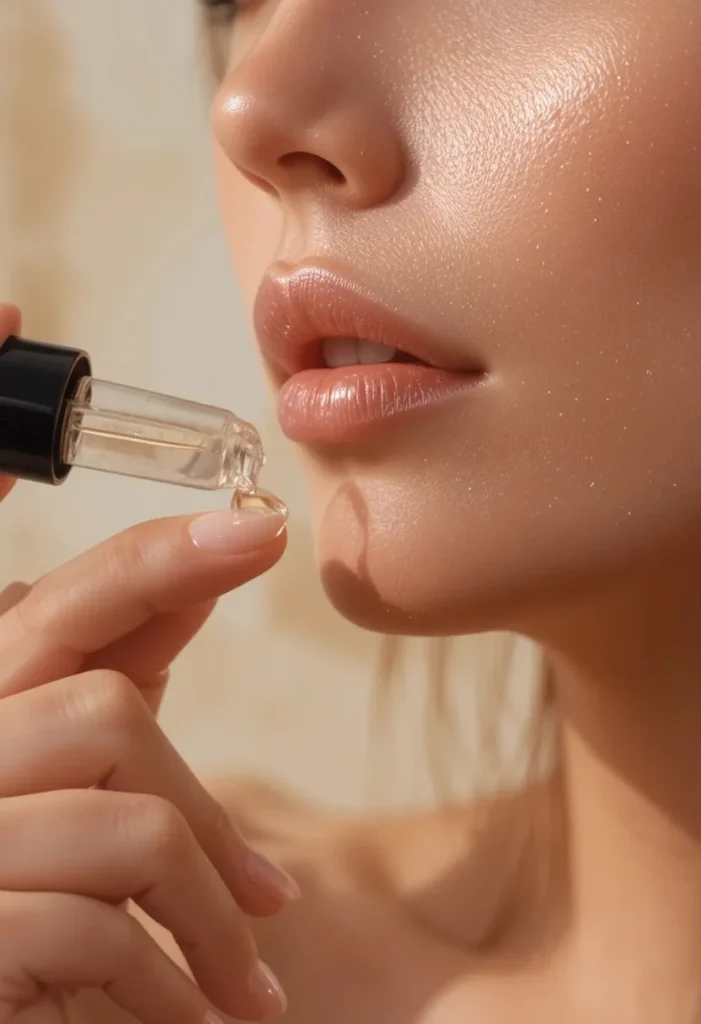
Once triggers are removed, simplicity wins. On a daily basis, keep it simple with four steps: cleanse, treat, moisturize, and SPF. A minimal, fragrance-light routine gives inflamed follicles room to calm down instead of constantly reacting to new ingredients. Almond Clear
11. Add a Soothing, Non-Feeding Toner
A soothing toner with green tea, centella asiatica, or licorice root extract can calm inflammation and hydrate without feeding fungal growth. This is a good layer to add once actives are dialed back, especially if your skin barrier feels reactive or tight. Tryincellderm
12. Use Niacinamide to Rebalance Oil Production
Niacinamide-based serums work well for balancing oil, strengthening skin, and minimizing pores, all without feeding yeast. It’s one of the few “actives” that’s broadly considered fungal-acne-safe, making it a smart anchor ingredient while you’re in recovery mode. Tryincellderm
13. Choose Fatty-Alcohol-Free (or Low-Risk) Moisturizers Carefully
Not every ingredient with “alcohol” in the name is a red flag, but some deserve a second look. Fatty alcohols are usually considered gentle and widely used to improve texture and stability, but some of the most common ones can still support yeast growth, while others like behenyl alcohol are generally less of a concern depending on the overall formula. When in doubt, opt for shorter, simpler ingredient lists. Koreanskincarecoach
14. Run New Products Through an Ingredient Checker
Instead of memorizing every problem ingredient, let a tool do it. Tools like Skincarisma or folliculitis-checker websites can help you evaluate ingredients before trying new products. A fungal acne ingredient checker analyzes a product’s ingredient list to identify what may trigger or worsen Malassezia folliculitis, helping you decide whether it’s likely to be safe before you buy it. TryincelldermGlowcoach
15. Shower Immediately After Sweating
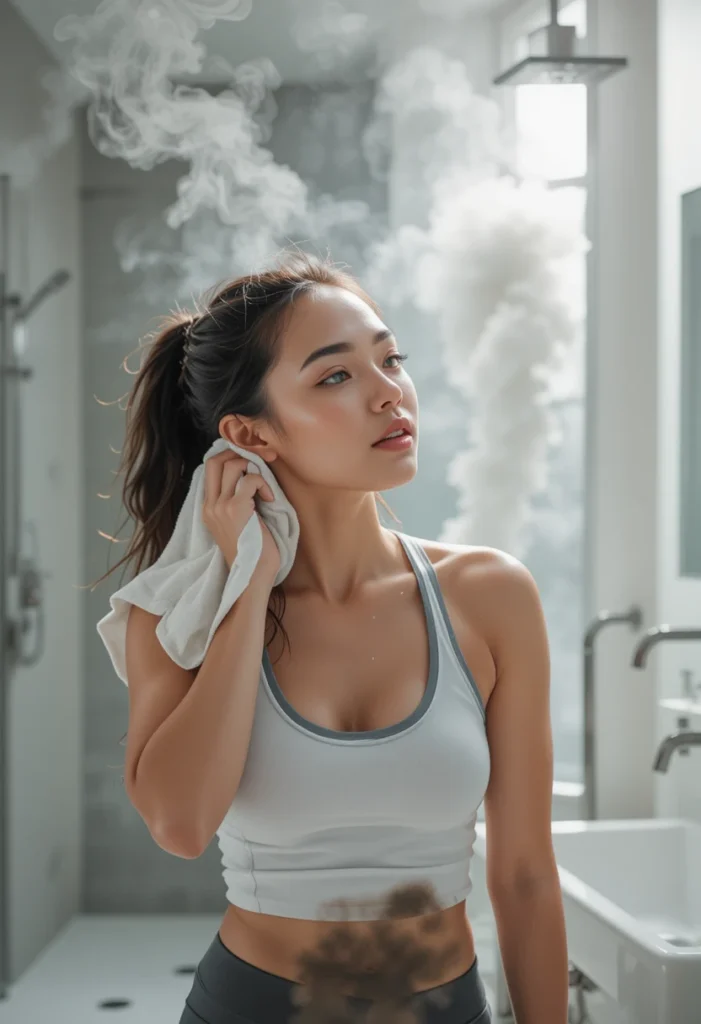
Yeast loves warmth and moisture, so timing matters as much as products. You can decrease your chance of getting Pityrosporum folliculitis by showering and changing your clothes immediately after working out. Since fungal acne is linked to moisture and sweat, it helps to wash items that touch your skin frequently, and clean fabrics help reduce the buildup of sweat and yeast on your skin. Cleveland ClinicPalm Beach Dermatology Group
16. Rethink Your Workout Fabrics and Skincare Layers
Frequent workouts without showering soon afterward, heavy hair products that spread onto the forehead, or thick facial creams that trap moisture can all create an ideal setting for yeast to multiply. Wearing tight or non-breathable clothing that traps heat and moisture against the skin can further increase risk. Swap in moisture-wicking fabrics and keep hair products off your hairline when possible. Dr. Michele Green M.D.Dr. Michele Green M.D.
17. Try a Warm Compress for Comfort
For flare-ups that feel angry and inflamed, a low-effort soothing step can help in the moment. Applying a warm compress to the affected area three or four times a day for around 15–20 minutes each time is one approach people try. Medical News Today
18. Be Patient — and Consistent
This is the idea people skip, and it’s the one that determines success. With proper treatment, including antifungal ingredients and fungal-acne-safe skincare, most cases improve within 4–6 weeks, and consistency is key since skipping treatments or using products with potential triggers can prolong the condition. Even after it clears, you may remain prone to fungal acne, so sticking with safe, compatible products long-term matters. GlowcoachGlowcoach
19. Know When It’s Time to See a Dermatologist
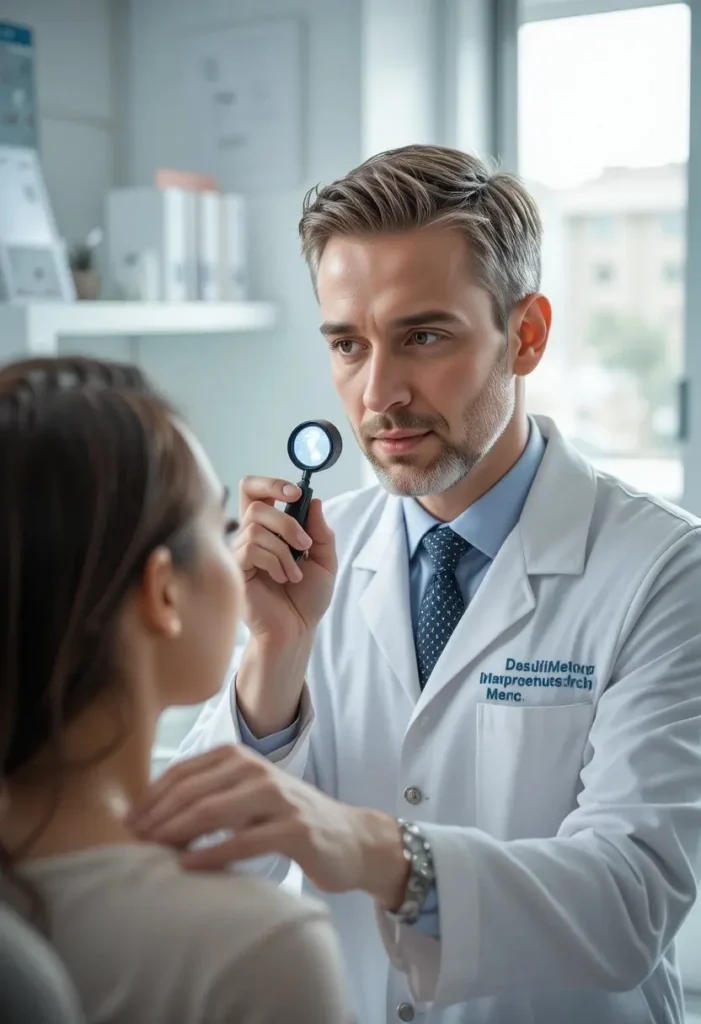
Home care has limits, and that’s okay. If you’ve been diligently using over-the-counter treatments for over a month without seeing the results you hoped for, it’s completely okay and quite common to seek help from a dermatologist, who can provide prescription medications, skincare advice, and a customized plan for better results. Some studies are even testing photodynamic therapy for fungal acne that doesn’t respond well to other treatments. The Independent PharmacyCleveland Clinic
Fungal Acne FAQ
Is fungal acne contagious?
No — Malassezia yeast naturally lives on everyone’s skin. Fungal acne happens when it overgrows in your own follicles, not from person-to-person spread.
Can diet affect fungal acne?
Some people notice fewer flare-ups when they cut back on high-sugar foods, since yeast thrives in sugary environments inside the body as well, even though diet alone does not cause fungal acne. Palm Beach Dermatology Group
Will regular acne products make it worse?
They can. Because fungal acne is a yeast issue, not a bacterial one, standard cleansers and spot treatments often offer little relief, and the bumps are frequently resistant to common over-the-counter acne medications. Dr. Michele Green M.D.
How long does treatment take?
Most people see real improvement within 4 to 6 weeks of consistent antifungal treatment, though maintenance matters even after clearing up.
The Bottom Line
Fungal acne is stubborn, but it’s not mysterious once you understand the trigger: yeast, not bacteria. The fix isn’t more acne products — it’s fewer feeding ingredients, the right antifungal tools, and a little patience while your skin resets. Start with one or two ideas from this list (an antifungal wash and a fatty-acid check on your moisturizer are the easiest first moves), stay consistent for a full month, and loop in a dermatologist if things stall.

