Picture this: you swipe on one gorgeous shade, blend it across your cheeks, eyes, and lips in about ninety seconds, and somehow it looks like you spent twenty minutes contouring color theory into your face. That’s the quiet magic of a monochromatic blush look — and it’s exactly why it keeps popping up on every “get ready with me” video and every Pinterest board tagged “soft glam.”
If you’ve ever stood in front of your mirror juggling three different palettes trying to make your blush, eyeshadow, and lipstick “match” without looking like a paint-by-numbers kit, this is the trend that solves it for good. One color family. Every feature. Zero clashing.
Below you’ll find 14+ monochromatic blush look ideas — from barely-there peach to full-on berry drama — plus the application tricks that make each one look intentional instead of accidental. Save this one, because you’ll want to come back to it every time you’re deciding what to wear on your face tomorrow.
What Is a Monochromatic Blush Look, Exactly?
A monochromatic blush look means your blush, eyeshadow, and lip color all live in the same color family — think every shade of pink, every shade of coral, every shade of rust — rather than three unrelated colors competing for attention. The blush is usually the anchor: it sets the undertone, and everything else (eyes, lips, sometimes even a tinted highlighter) is built to match or gently deepen from there.
Monochromatic Blushphotographs and wears so well is simple: when your whole face speaks one color language, your features look lifted and cohesive instead of segmented. It’s also one of the fastest routines you can build, since a single cream stick or multi-use pot can often cover cheeks, lids, and lips in one swipe.
Save-worthy truth: a monochromatic look isn’t about matching perfectly — it’s about staying in the same family while varying the intensity, so your face has depth instead of looking like one flat wash of color.
How to Build Any Monochromatic Blush Look in 3 Steps
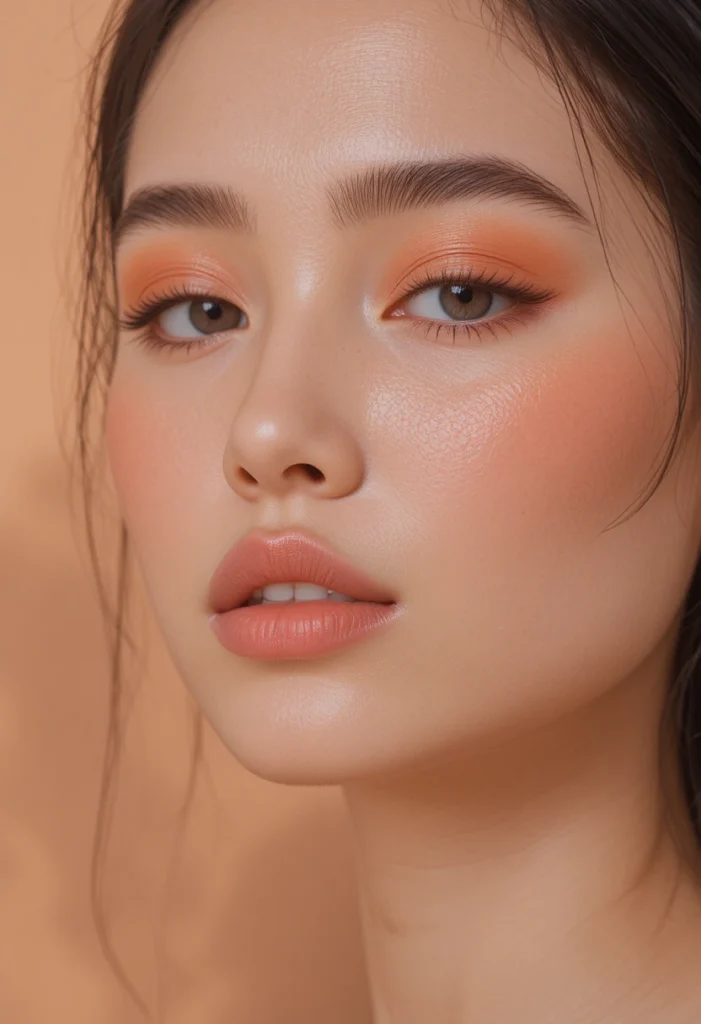
Before jumping into the 14+ ideas, here’s the quick formula that works for every single one:
- Pick your anchor shade. Choose the blush color you’re building around — this decides your undertone (warm, cool, or neutral).
- Layer intensity, not just color. Use a sheer wash of that shade on the lids, a medium punch on the cheeks, and the deepest, most saturated version on the lips (or vice versa for a softer effect).
- Blend the transition points. Where cheek meets temple and where lid meets crease should melt into each other — no harsh lines. A damp makeup sponge or a fluffy blending brush is your best friend here.
Once that formula clicks, you can apply it to literally any color on the wheel — which is exactly why there are so many ways to wear this trend.
14+ Monochromatic Blush Look Ideas to Try
1. Soft Peach Everyday Glow
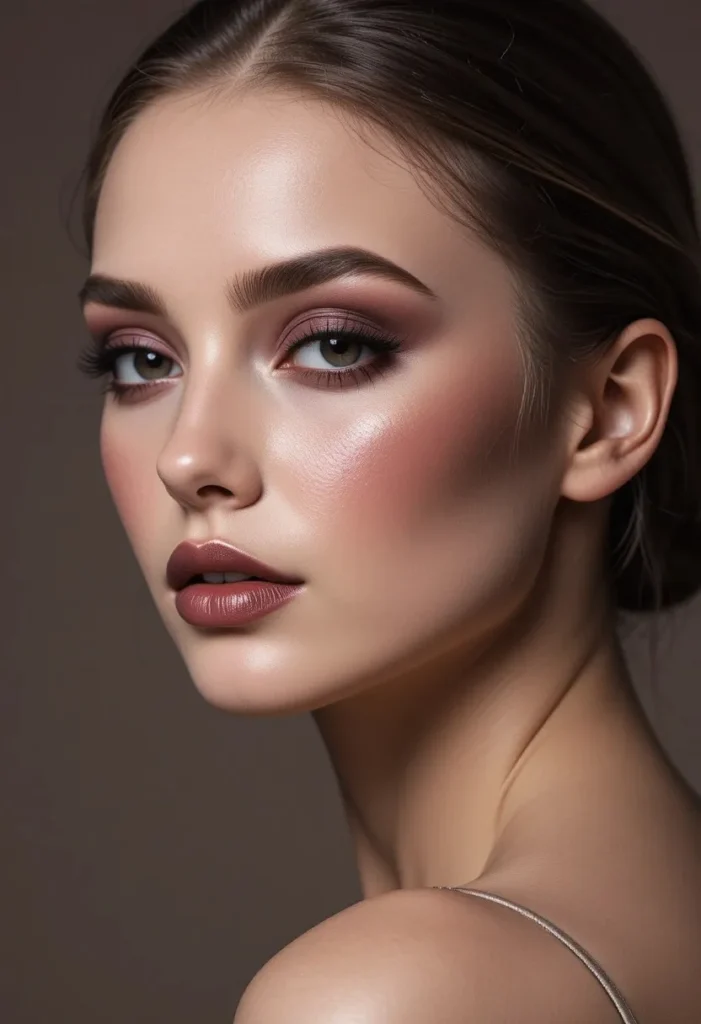
Monochromatic Blush the most forgiving monochromatic shade there is — warm without being loud. Sweep a peach cream blush high on the cheekbones, pat a whisper of the same shade over the lid, and finish lips with a peach-tinted balm.
Best for: warm and golden undertones, daytime wear, beginners easing into the trend.
2. Classic Rosy Pink
This is the “your-cheeks-just-got-cold” look — a universally flattering pink that reads as effortless rather than done-up. Build a soft rose across cheeks and lids, then top lips with a sheer rosy gloss.
Best for: cool undertones, first dates, “no-makeup makeup” days.
3. Coral Pop
Bright, juicy, and made for warm weather. A coral cream blush on the cheeks, the same coral dabbed lightly on the lids, and a slightly deeper coral lip creates gorgeous tonal depth instead of a flat, matchy look.
Best for: olive and tan skin tones, summer festivals, pool-day glam.
4. Berry Stain
Deep berry is the monochromatic look that transitions straight from desk to dinner. Stain the cheeks with a berry lip-and-cheek pot, sweep a soft berry wash on the lids, and go bolder on the lips for contrast.
Best for: fall and winter, medium to deep skin tones, evening plans.
5. Muted Mauve
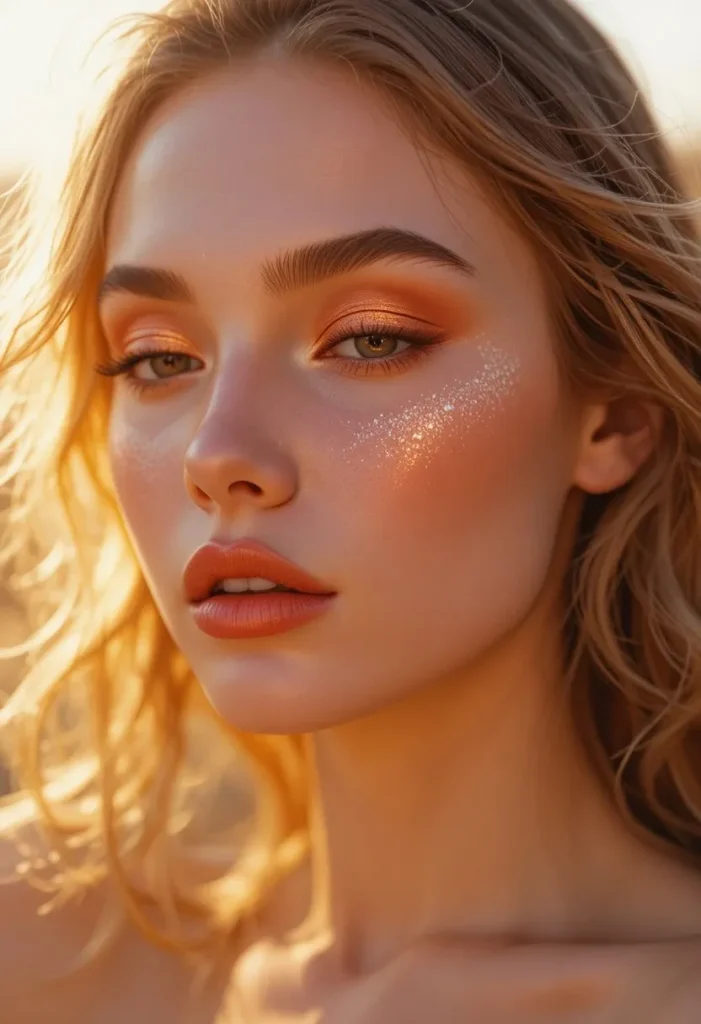
Mauve is the sophisticated, “quiet luxury” cousin of pink — dusty, cool, and endlessly wearable. Keep the cheeks soft, add a satin mauve shadow to the lids, and finish with a mauve-nude lip.
Best for: cool and neutral undertones, office-appropriate glam, minimalist makeup lovers.
6. Terracotta & Brick
Warm, earthy, sun-kissed. Terracotta blush blended high on the cheeks, a soft brick wash over the lids, and a warm brick-toned lip tie the whole look together with an almost bronzed finish.
Best for: deep and olive complexions, autumn makeup, “your skin but better” vibes.
7. Dusty Rose Softness
One shade quieter than classic rose, dusty rose leans slightly brown at the edges, which makes it read as extremely natural. Perfect for anyone who wants color without looking “made up.”
Best for: fair to medium skin, everyday minimalists, second-date makeup.
8. Bold Plum Drama
This is where monochromatic makeup gets its nighttime edge. A deep plum blush contoured along the cheekbones, a smoky plum shadow blended into the crease, and a rich plum lip make for a moody, editorial finish.
Best for: deeper skin tones, holiday parties, anyone who wants “main character energy.”
9. Golden Apricot
Slightly deeper and more golden than peach, apricot flatters golden undertones especially well. Cream apricot blush, a shimmer of the same on the lids, and a glossy apricot lip finish the look.
Best for: golden and warm undertones, spring makeup, brunch dates.
10. Statement Red Monochrome
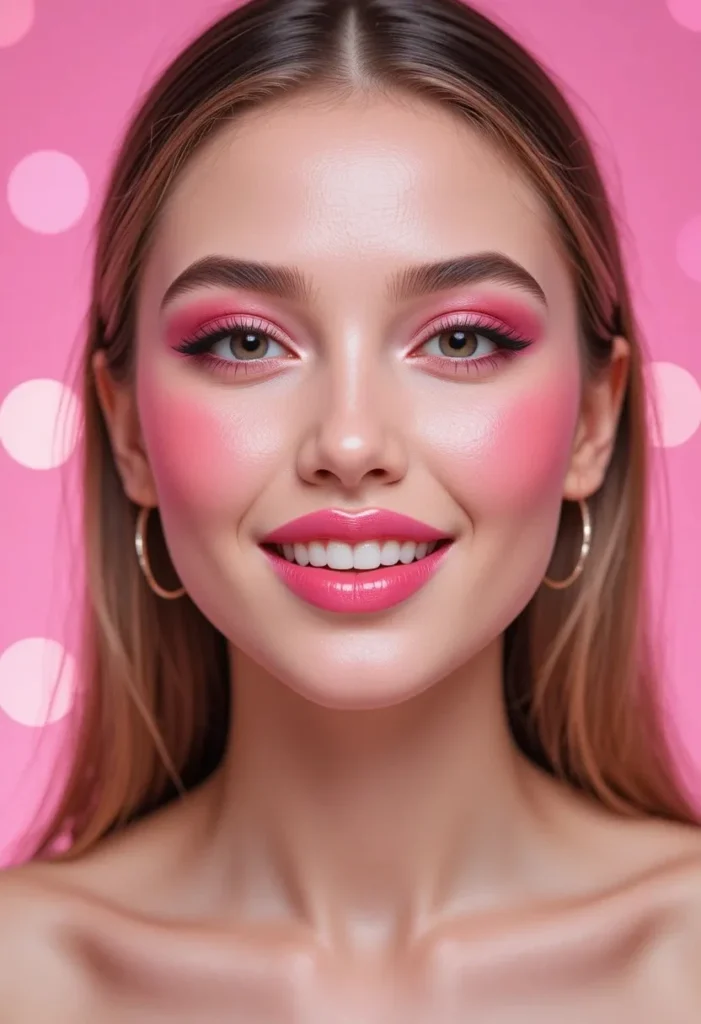
A monochromatic red look is bold but surprisingly easy to wear once you soften the intensity across each feature. Use a muted brick-red blush (not a true fire-engine red) on the cheeks, a soft red-brown wash on the lids, and save the boldest red for the lips.
Best for: confident glam lovers, red carpet-inspired events, holiday season.
11. Rosewood Neutral
Rosewood sits right between mauve and brown — a warm-cool hybrid that suits nearly every skin tone. It’s the go-to shade when you want “your face but a little more finished” without committing to a statement color.
Best for: all undertones, work makeup, weddings and daytime events.
Read also : 13+ Flushed Look Makeup Ideas for a Naturally Radiant Glow (Any Skin Tone)
12. Playful Bubblegum Pink
Bright, youthful, and fun — this one leans more Y2K than sophisticated, and that’s the whole point. A vivid pink blush, a matching frosty pink lid, and a glossy pink lip make for a cheerful, camera-ready look.
Best for: fair and light-medium skin, Y2K makeup fans, concerts and parties.
13. Vintage Warm Brown
A throwback to old-Hollywood glamour, this look uses rich, warm browns across cheeks, lids, and lips for a moody, vintage finish. Add a champagne shimmer to the inner corner of the eye to keep it from looking flat.
Best for: brown-eyed beauties, fall/winter styling, retro-inspired shoots.
14. Fuchsia & Magenta Statement
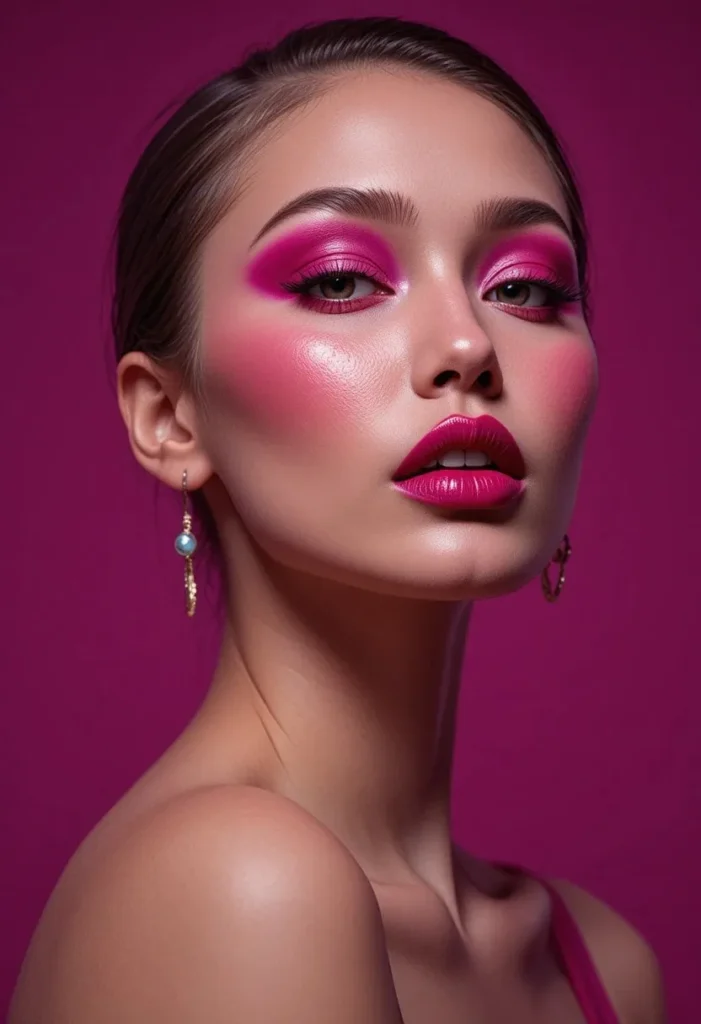
For deeper skin tones especially, vibrant fuchsia is a showstopper rather than an “extra” color — it reads as rich and pigmented instead of clownish. Blend a fuchsia cream blush high on the cheeks, add a soft magenta wash to the lids, and finish with a bold matching lip.
Best for: deep and rich skin tones, bold color lovers, date-night glam.
15. Barely-There Sheer Wash (Bonus)
Not every monochromatic look has to be pigmented. Choose any shade above and use it at its sheerest — just a hint of tint on cheeks, a translucent wash on lids, and a tinted balm on lips. It’s monochromatic makeup for people who hate the feeling of “makeup.”
Best for: minimalists, school or gym days, “your lips but red” energy.
16. Two-Tone Ombré Monochrome (Bonus)
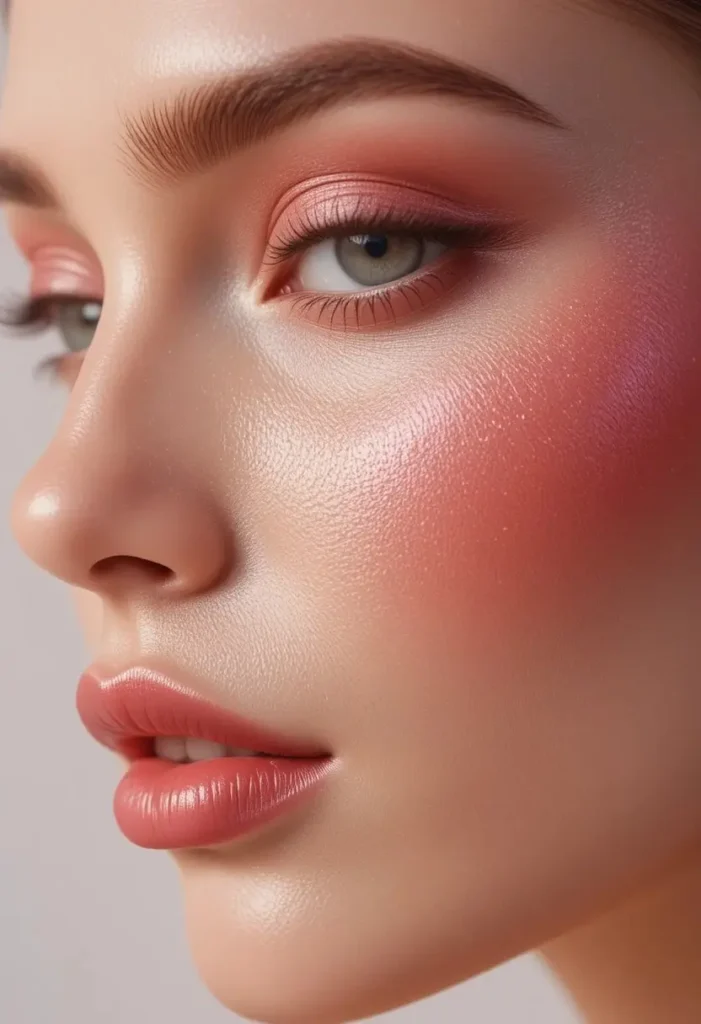
Instead of one flat shade, pick two tones from the same family — say a light coral and a deeper coral — and layer them so the color deepens from the eyes down to the lips (or the reverse). It keeps the monochromatic rule intact while adding dimension that photographs beautifully.
Best for: anyone who wants extra depth for photos, special occasions, advanced beginners ready to experiment.
Quick Tips for Making Any Monochromatic Blush Look Last
- Prime first. A cream or powder base under blush-as-eyeshadow helps prevent creasing, especially on oily lids.
- Set strategically. A translucent powder pressed only where you need extra staying power (like the center of the cheek) keeps a cream product from sliding without dulling its glow.
- Highlight with intention. A warm-toned highlighter for peach/coral/terracotta looks, or a cool pearl highlighter for pink/mauve/plum looks, keeps the whole face harmonized.
- Blend past the color, not just to the edge of it. The “one shade all over” effect only works if there are no visible lines where the color starts and stops.
Frequently Asked Questions
Is monochromatic makeup only for certain skin tones?
No — the beauty of this trend is that the technique works for every skin tone; you’re just choosing the shade family that flatters your undertone (warm, cool, or neutral) rather than skipping the trend altogether.
Can I use one product for cheeks, eyes, and lips?
Yes, and many people prefer it — a multi-use cream stick in your chosen shade is the fastest way to build a monochromatic look, though separate products let you control intensity more precisely.
Does monochromatic makeup work for everyday wear, or is it just for special occasions?
Both. Softer, sheerer shades like peach, rosewood, or dusty rose are perfectly office- and school-appropriate, while richer tones like plum, berry, or fuchsia are better saved for evenings and events.
What’s the easiest monochromatic blush look for beginners?
Soft peach or rosewood — both are neutral enough to suit most undertones and forgiving enough that a slightly uneven blend still looks natural.
Final Thoughts
A monochromatic blush look is proof that makeup doesn’t need ten products and a color wheel diagram to look polished — sometimes one great shade, used with intention across your whole face, is all it takes. Whether you gravitate toward a soft peach everyday glow or a full berry-stained evening look, the formula is the same: pick your color family, vary the intensity, and blend like your life depends on it.

