If your foundation looks flawless at 9 AM and falls apart by noon, you’re not doing anything wrong. You just have combination skin, and most foundations are built for one skin type, not two fighting for control on the same face.
Here’s the frustrating part: a shiny T-zone by lunch and flaky cheeks by evening usually don’t mean you need a better skincare routine. It usually means you’re using the wrong foundation strategy entirely. And once you understand what your skin is actually asking for, Foundation for Combination fixing it is a lot simpler than you’d think.
This guide walks through 12+ foundation ideas for combination skin, from the formulas that actually work to the application tricks pros use to keep oily and dry zones looking equally flawless, all day. Stick around for the mixing method in idea #4 it’s the one most people never try, and it might be the actual fix you’ve been missing.
What Combination Skin Actually Needs From a Foundation
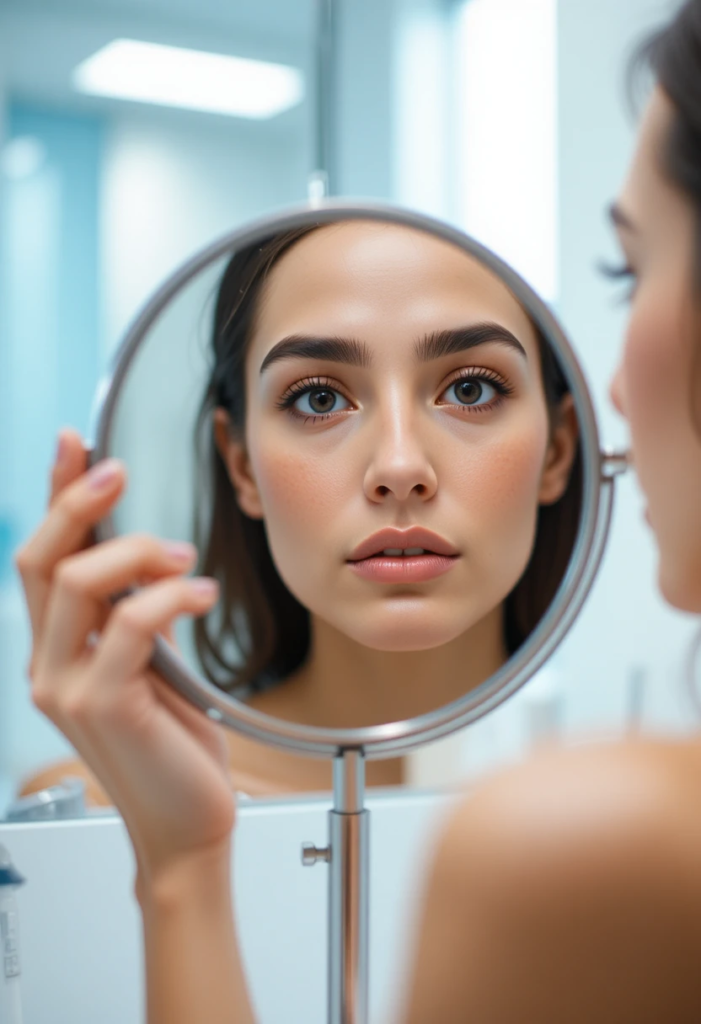
Combination skin means your forehead, nose, and chin (your T-zone) produce more oil than the rest of your face, while your cheeks and jawline stay closer to normal or dry. It’s not a rare skin type it’s one of the most common, and it’s also one of the hardest to shop for because most foundation marketing is written for “oily skin” or “dry skin,” not both at once.
Here’s the thing: the goal isn’t to find a foundation that’s perfectly neutral. It’s to find one flexible enough to behave differently across your face, or to use a technique that lets you customize it zone by zone.
A foundation built for combination skin generally needs to:
- Control shine in the T-zone without feeling stripping
- Sit comfortably on drier cheeks without clinging to texture or flaking
- Hold up for 6+ hours without needing a full reapplication
- Blend into a soft-matte or satin finish rather than full matte or full dewy
Full matte formulas tend to grip onto dry patches and look cakey by afternoon. Full dewy formulas look gorgeous on cheeks but slide right off an oily T-zone within a couple hours. Soft-matte and satin finishes are the sweet spot almost every makeup artist recommends for combo skin, and it’s a theme you’ll see repeated throughout this list.
Signs Your Current Foundation Isn’t Working
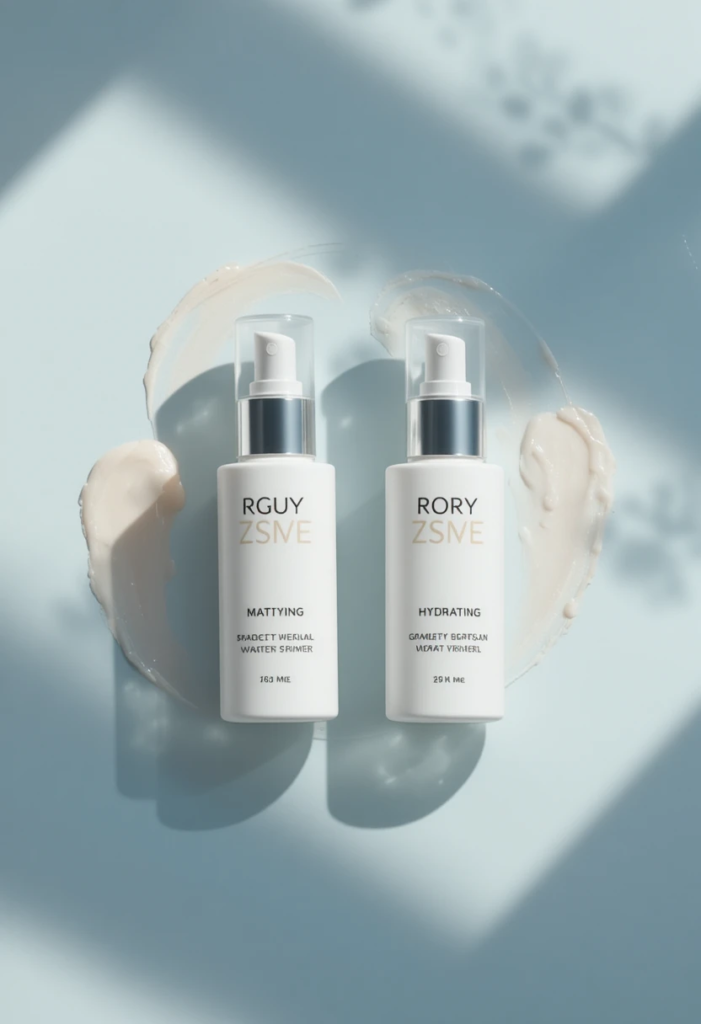
Before jumping into new ideas, it helps to know what “wrong foundation” actually looks like on combination skin:
- Foundation separates or looks patchy on the cheeks by midday
- Your T-zone gets shiny within 2-3 hours, even after setting
- You need to blot constantly, and blotting makes cheeks look ashy or dull
- Foundation clings to dry, flaky patches instead of blurring them
- You’ve started avoiding foundation altogether because “nothing lasts”
If two or more of these sound familiar, the ideas below are built specifically for you.
Prep Work Matters As Much As the Foundation Itself
But there’s a catch: even the best foundation for combination skin will underperform without the right prep. Skincare and primer aren’t optional steps here — they’re half the equation.
Before foundation goes on, combination skin benefits from:
- A lightweight, oil-free moisturizer all over, with a slightly richer layer patted onto drier cheek areas only
- Letting skincare fully absorb (60 seconds minimum) before primer, so foundation doesn’t pill
- Choosing primer based on zone, not a single all-over formula
That last point leads directly into the first foundation idea on this list.
12+ Foundation Ideas for Combination Skin
1. Use the Two-Primer Method
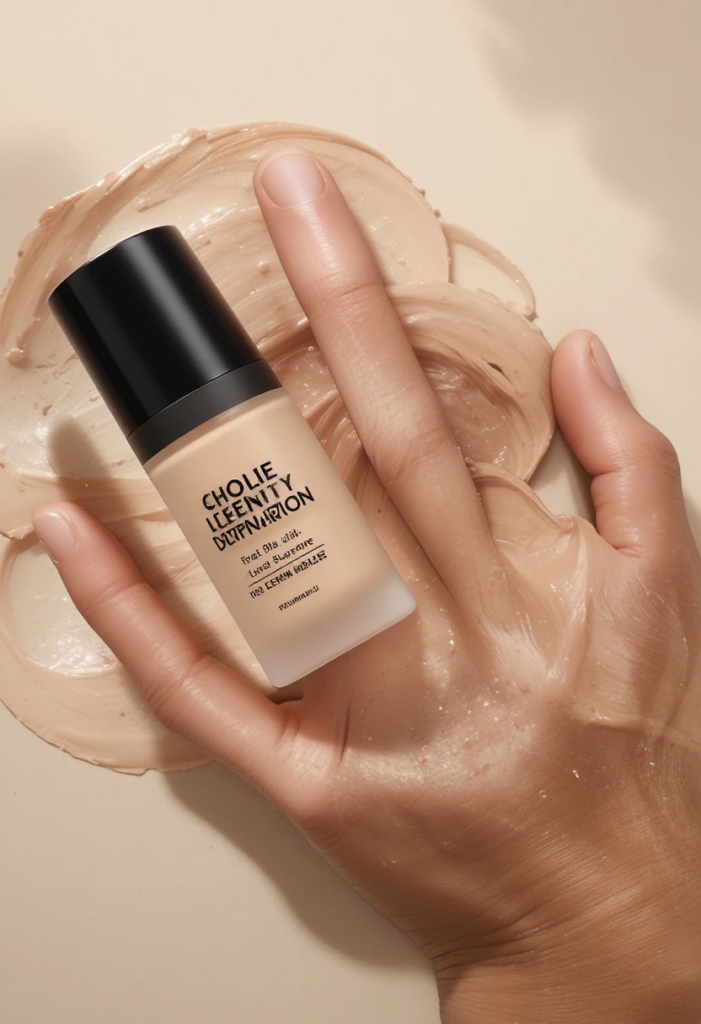
Instead of one primer for your whole face, apply a mattifying, pore-blurring primer only across the T-zone, and a hydrating, dewy primer on the cheeks and any dry spots. This creates an even canvas so your foundation doesn’t grip unevenly once it goes on top.
Save-worthy tip: think of primer as customizing your skin’s “surface,” not just prepping it this single switch fixes more foundation problems than changing the foundation itself.
Read also: 10+ Best Foundations for Beginners in 2025: Your No-Fail Guide to Flawless Skin
2. Choose a Soft-Matte Finish Over Full Matte
Full matte foundations are formulated to fight oil, but they tend to sit heavily in dry patches and emphasize texture on the cheeks. Soft-matte or “natural matte” finishes control shine in the T-zone while still looking comfortable and skin-like everywhere else — making them the most universally recommended finish for combination skin.
3. Try a Buildable Skin Tint Instead of Heavier Coverage
If your skin has decent texture and you mostly want to even tone rather than mask it, a lightweight skin tint or tinted moisturizer can be a better long-term match than a full-coverage formula. Buildable formulas let you layer more product only where you need it — typically around blemishes or redness — instead of coating your whole face in something too heavy for your drier zones.
4. Mix Two Foundations for a Custom Finish
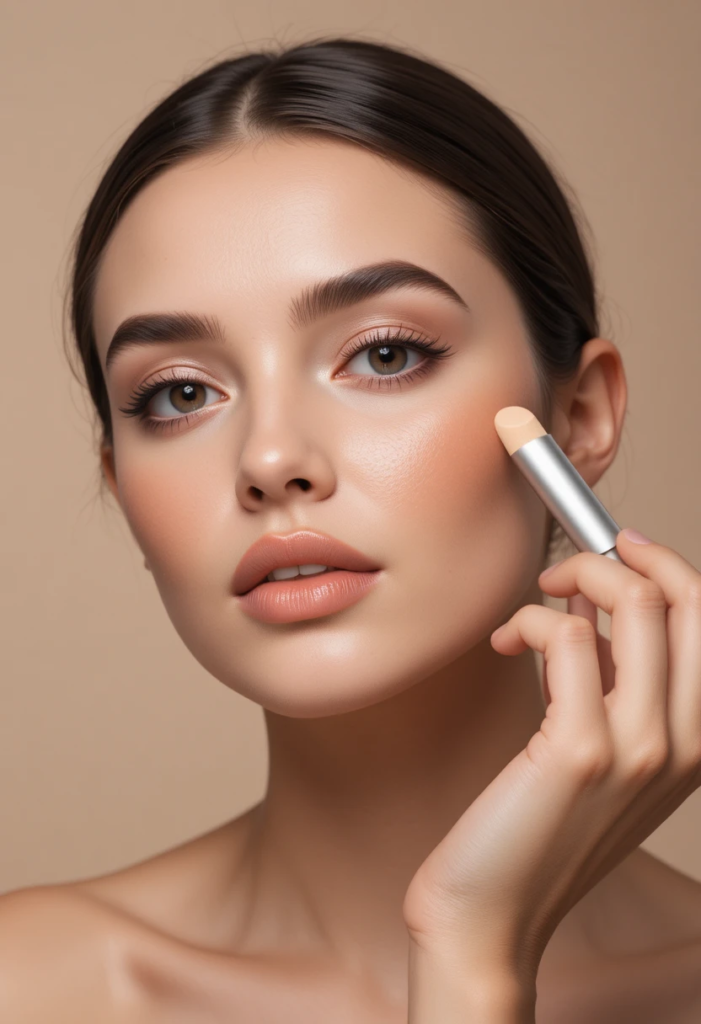
This is the tip most people skip, and it’s genuinely a game-changer: blend a small amount of a matte or long-wear foundation with a dewy or hydrating one in your palm before applying. You get a custom satin finish that’s mattifying enough for the T-zone but not drying on the cheeks, without needing to buy two separate “combination skin” products.
5. Look for Long-Wear Formulas With Oil-Absorbing Polymers
Foundations formulated with oil-absorbing or “shine control” polymers are built to grip onto oil throughout the day rather than breaking down by noon. These formulas tend to outperform standard foundations specifically in the T-zone, while still applying comfortably over the rest of the face.
6. Consider a Cushion Foundation for Easy Reapplication
Cushion compacts are designed for quick touch-ups, which is genuinely useful for combination skin — you can press a light layer over the T-zone midday without disturbing or caking over the rest of your makeup. They tend to have a natural, skin-like finish that blends well with drier areas too.
7. Try a Foundation Stick for Zone Control
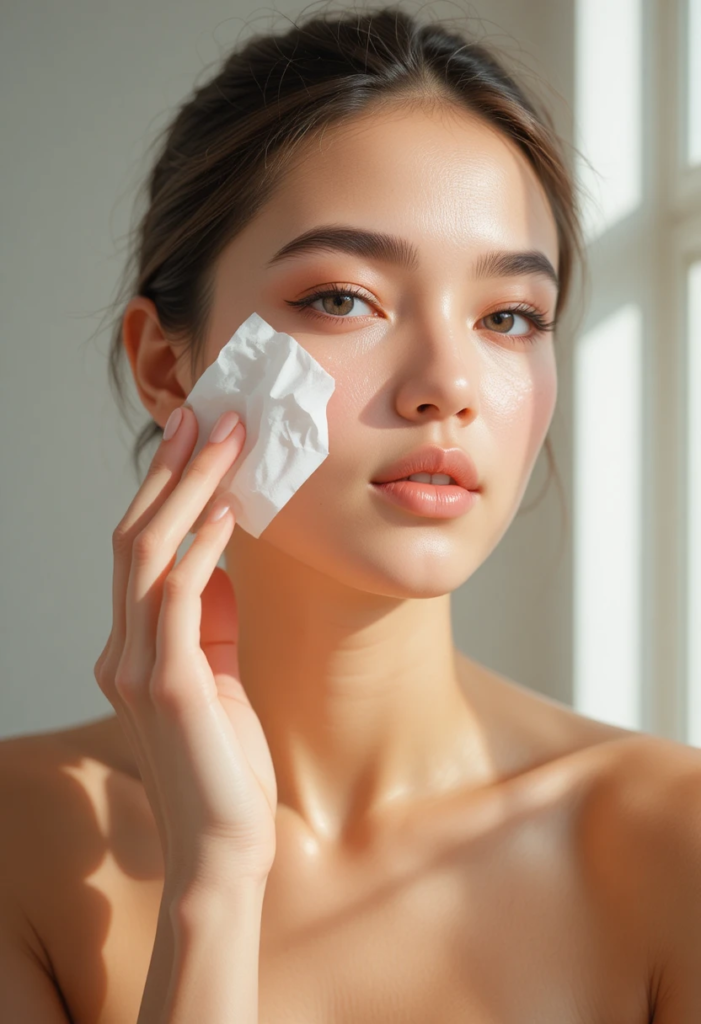
Stick foundations let you apply more precisely, which means you can build coverage on drier cheeks and use a lighter hand across the T-zone. Warming the stick slightly between fingertips before applying makes blending smoother and helps avoid patchiness.
8. Apply With Different Tools for Different Zones
Here’s a technique pros swear by: use a damp makeup sponge on drier areas (it sheers out product for a natural, hydrated finish) and a flat foundation brush or buffing brush on the oily T-zone (it gives more controlled, buildable coverage where you need staying power).
9. Set Only the T-Zone — Skip Powder on Cheeks
Setting powder is essential for combination skin, but only in the areas that actually get oily. Dusting powder over your whole face — including dry cheeks — is one of the most common mistakes people make, and it’s often what causes that flaky, cakey look later in the day. Press a light layer of translucent powder only through the forehead, nose, and chin.
10. Reach for Blotting Papers Instead of More Powder Midday
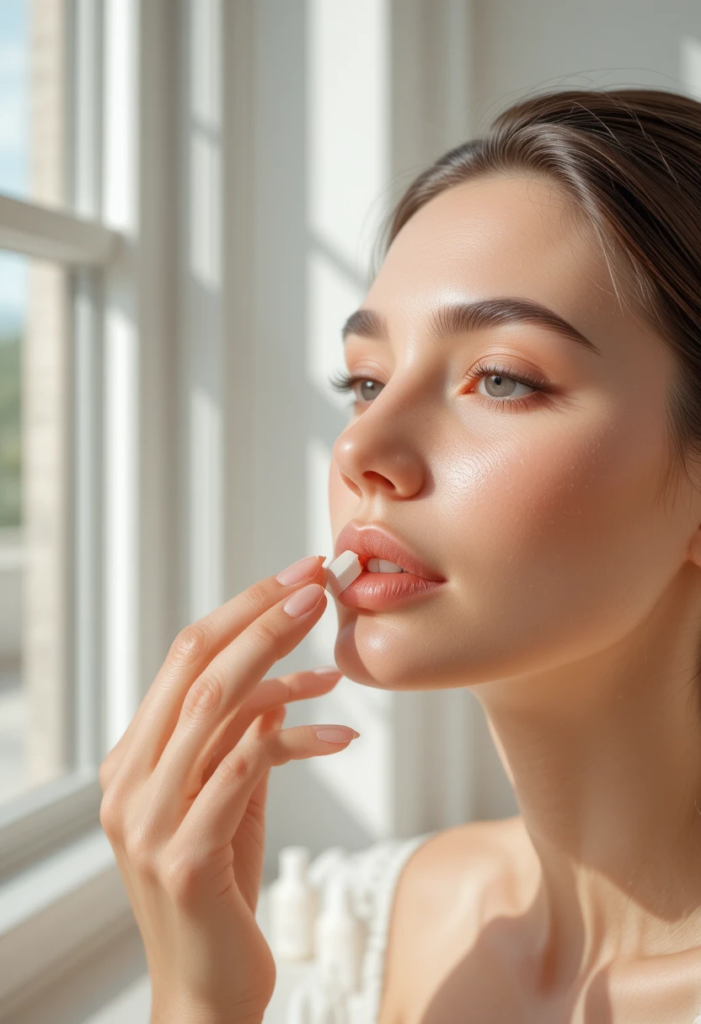
When shine creeps back in a few hours later, more powder isn’t always the answer — it can build up and look heavy. Blotting papers lift excess oil without disturbing your makeup, and they’re a much gentler way to manage midday shine, especially over the T-zone.
11. Choose Water-Based Formulas If You’re Breakout-Prone
Combination skin, especially in the T-zone, can be more prone to congestion. If you notice breakouts after wearing a particular foundation, look for water-based or non-comedogenic formulas rather than heavy, silicone-forward ones, which can sit on top of oilier areas and trap sebum underneath.
12. Finish With a Hydrating Setting Spray, Not a Matte One
A lot of people finish combination-skin makeup with a mattifying setting spray, assuming it’ll help control oil all day. In reality, a lightweight hydrating spray tends to work better overall — it keeps drier areas from looking tight and flat, while a well-set T-zone (from idea #9) handles the shine control on its own.
13. Match Undertone Before You Match Depth
Combination skin can look uneven in tone even when texture is well-managed, so getting the undertone right (warm, cool, or neutral) matters just as much as shade depth. A foundation that’s the right depth but the wrong undertone will look slightly off no matter how well it’s applied.
14. Always Sample Before Committing to Full Size
Because combination skin behaves differently depending on climate, hormones, and season, a foundation that worked all summer might feel too heavy in humid weather or too drying in winter. Sampling a formula for a few full wear-tests — not just a swatch on your hand — is the only reliable way to know how it’ll actually perform on your specific skin.
Common Mistakes to Avoid With Combination Skin Foundation
- Using one primer for your entire face instead of targeting by zone
- Powdering everywhere instead of just the T-zone
- Choosing full matte because “matte controls oil,” without considering how it looks on drier cheeks
- Skipping the patch/wear test and judging a foundation only by how it looks in the store
- Reapplying full coverage midday instead of just blotting and spot-touching the T-zone
Avoiding these five habits alone solves a surprising number of combination-skin foundation complaints.
FAQ: Foundation for Combination Skin
What finish is best for combination skin — matte, dewy, or satin?
Satin or soft-matte is generally the best middle ground. It controls enough shine to hold up on an oily T-zone without emphasizing texture or dryness on the cheeks the way a full matte finish can.
Should I use two different foundations on my face?
You don’t have to, but many people find that mixing a matte and dewy foundation together (or using a mattifying primer on the T-zone and hydrating primer on the cheeks) gives better all-day results than relying on a single “one size fits all” product.
Why does my foundation look great in the morning but patchy by afternoon?
This usually comes down to over-powdering dry areas, using a primer that isn’t zone-specific, or a foundation formula that isn’t flexible enough to handle both oily and dry sections of your face at once.
Do I need to set my whole face with powder if I have combination skin?
No. Setting only the T-zone with a light dusting of powder and leaving the cheeks unpowdered (or very lightly set) tends to give the most natural, long-lasting finish.
Is cream or liquid foundation better for combination skin?
Both can work well, but liquid foundations in a soft-matte or satin finish tend to offer more flexibility across zones. Cream and stick formulas are great for targeted, buildable coverage on drier areas specifically.
How often should I blot my T-zone during the day?
There’s no fixed rule — it depends on your skin and the weather — but blotting papers used once or twice throughout the day are gentler on your makeup than repeatedly layering more powder.
The Bottom Line
Combination skin isn’t a foundation problem it’s a strategy problem. Once you start treating your T-zone and cheeks as two different skin types (because, in a way, they are), everything from primer to powder to setting spray gets a lot easier to get right.
Start with just one or two of these ideas the two-primer method and setting only your T-zone are the easiest wins and build from there. Save this guide so you’ve got the full list next time you’re standing in front of your makeup drawer wondering why nothing’s working.

