Standing in the foundation aisle for the first time feels a little like defusing a bomb — one wrong shade, one wrong formula, and you’ve either got an orange mask, a cakey mess, or a bottle that separates by lunchtime. If you’ve ever bought a foundation, tried it once, and quietly shoved it to the back of your drawer forever, you are not alone.
Here’s the good news: you don’t need fifteen steps, a beauty degree, or a $90 bottle to get a smooth, natural, “your skin but better” finish. You just need the right foundation for a beginner — something forgiving, buildable, and easy to blend even on your first try.
In this guide, we’re breaking down the 10+ best foundations for beginners in 2025, plus exactly how to pick your shade, apply it without streaks, and avoid the mistakes that make foundation look obvious instead of effortless. Save this one — you’ll want to come back to it before your next makeup haul.
Why Foundation Choice Matters So Much When You’re Starting Out
A good beginner foundation isn’t about the highest coverage or the fanciest packaging. It’s about forgiveness. When you’re new to makeup, you haven’t built up the muscle memory for fast blending, precise layering, or fixing mistakes on the fly. That means your foundation needs to do some of the work for you.
The best beginner formulas share a few traits:
- Buildable coverage — so a light hand still looks intentional, and mistakes are easy to fix
- Longer blending time — formulas that set too fast highlight uneven application
- Skin-like finish — natural over full-glam, so small errors are less noticeable
- Simple application — works well with fingers, a sponge, or a basic brush
Keep these in mind as you shop, because they matter more than the brand name on the label.
How to Choose Your Foundation Shade (Without Guessing)
Before we get to the picks, let’s fix the #1 beginner mistake: shade matching. The safest way to test your shade is on your jawline in natural light, not on your wrist, since your wrist and face rarely match in tone. Apply two or three close shades in a line, step outside or near a window, and pick the one that seems to “disappear” into your skin. Native Commerce
Quick shade-matching rules:
- Test in daylight, never under yellow indoor lighting
- Match to your neck and jaw, not just your cheek
- Let it sit for 10 minutes — foundation can oxidize and shift slightly darker
- If you’re between two shades, size down and warm it up with bronzer rather than sizing up
The 10+ Best Foundations for Beginners in 2025
1. Maybelline Fit Me Matte + Poreless Foundation
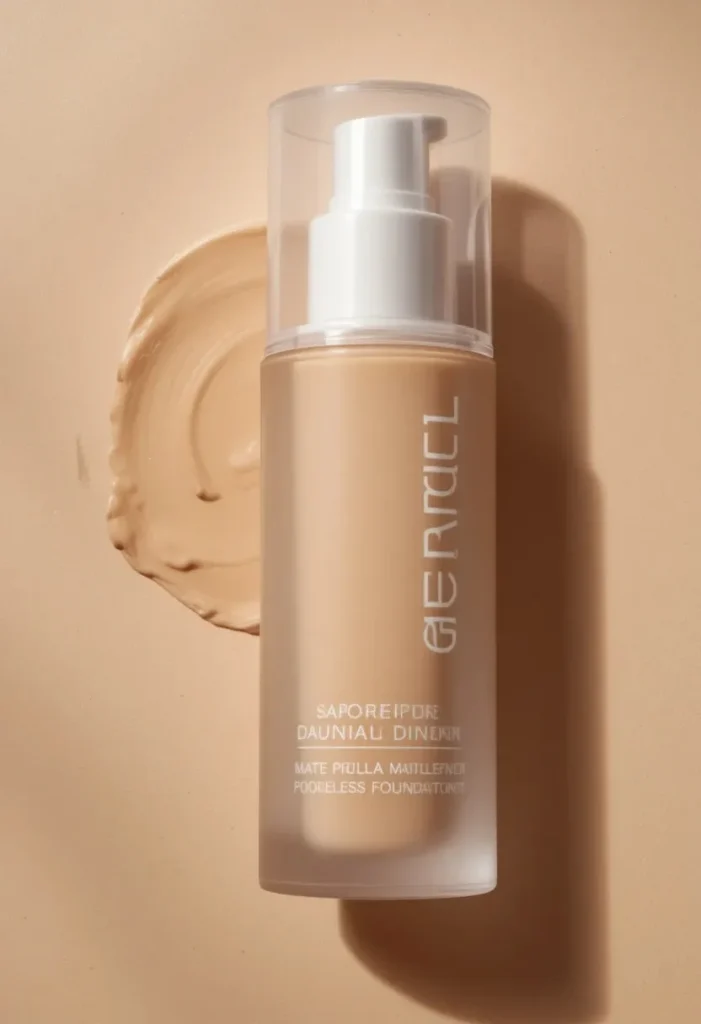
The drugstore gold standard for a reason. It’s a favorite for offering full coverage with a matte finish at a price that lets you experiment without guilt. It’s beginner-friendly because it blends easily with just your fingers and forgives uneven layering. Ulta Beauty
Best for: Oily/combination skin, first-time buyers, budget-conscious beginners
2. IT Cosmetics CC+ Cream
A hybrid of skincare, SPF, and coverage in one step. It offers full coverage without feeling heavy, which makes it nearly impossible to overapply into a cakey mess — a huge relief for shaky first-timers. IBKDigital
Best for: Dry or mature skin, anyone who wants one product to replace three
3. ILIA Super Serum Skin Tint
This is perfect for everyday wear when you want your skin to look fresh and effortless rather than “done.” Because it’s sheer and skin-like, small application errors just blend into a natural glow instead of standing out. Really Ree
Best for: Beginners who want a “no-makeup makeup” look, skincare lovers
4. bareMinerals BAREPRO 24HR Skin-Perfecting Powder Foundation
If liquid feels intimidating, powder can be a gentler entry point — Sephora highlights it as a lightweight, oil-free option good for beginners exploring different skin types. A powder foundation applied with a brush is nearly foolproof since there’s no streaking risk. Sephora
Read More : 11+ Gradient Lip Korean Technique Ideas That’ll Make Your Lips Look Bitten, Not Painted
Best for: Oily skin, anyone nervous about liquid application
5. Estée Lauder Double Wear Stay-in-Place Foundation
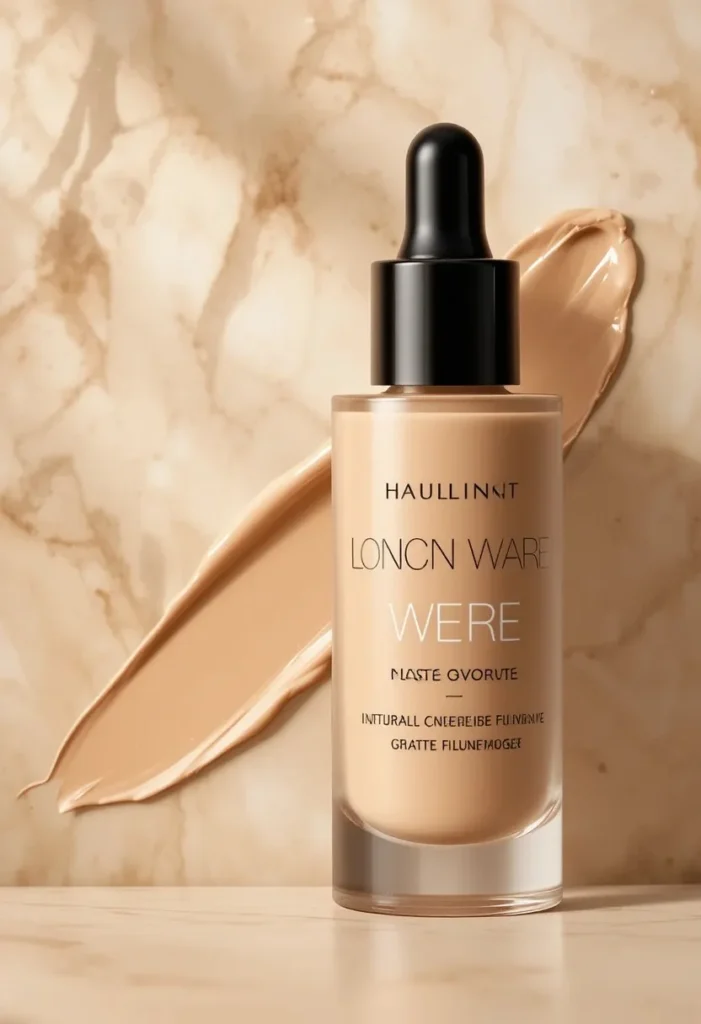
Known as a long-lasting, full-coverage classic, this one has a steeper learning curve because it sets fast and is unforgiving of streaks — but once you master a light hand with a damp sponge, it becomes a reliable everyday staple. Ulta Beauty
Best for: Special occasions, humid climates, oily skin that needs staying power
6. Dermablend Flawless Creator Liquid Foundation
Recommended for full coverage with a natural finish, this formula is a favorite among beginners dealing with redness, scarring, or uneven tone who still want their skin to look like skin. IBKDigital
Best for: Coverage needs (acne marks, redness, hyperpigmentation)
7. NARS Light Reflecting Foundation
A slightly more elevated pick, but worth the splurge once you’re comfortable with basics. Light-reflecting pigments blur texture optically, so your blending doesn’t need to be pixel-perfect for the finish to look flawless.
Best for: Dull or textured skin, evening looks
8. MAC Studio Fix Fluid Foundation
A versatile foundation that’s been a professional makeup artist staple for years — mainly because it’s predictable. It behaves the same way every time, which is exactly what a beginner needs while building consistency. Ulta Beauty
Best for: Combination skin, anyone wanting a “no surprises” formula
9. IT Cosmetics Celebration Foundation (Powder)
This delivers full coverage without heaviness in a pressed powder format, making it one of the easiest “grab and go” options for someone still learning to blend liquids. IBKDigital
Best for: Powder lovers, touch-ups on the go
10. Victoria Beckham Beauty The Foundation Drops
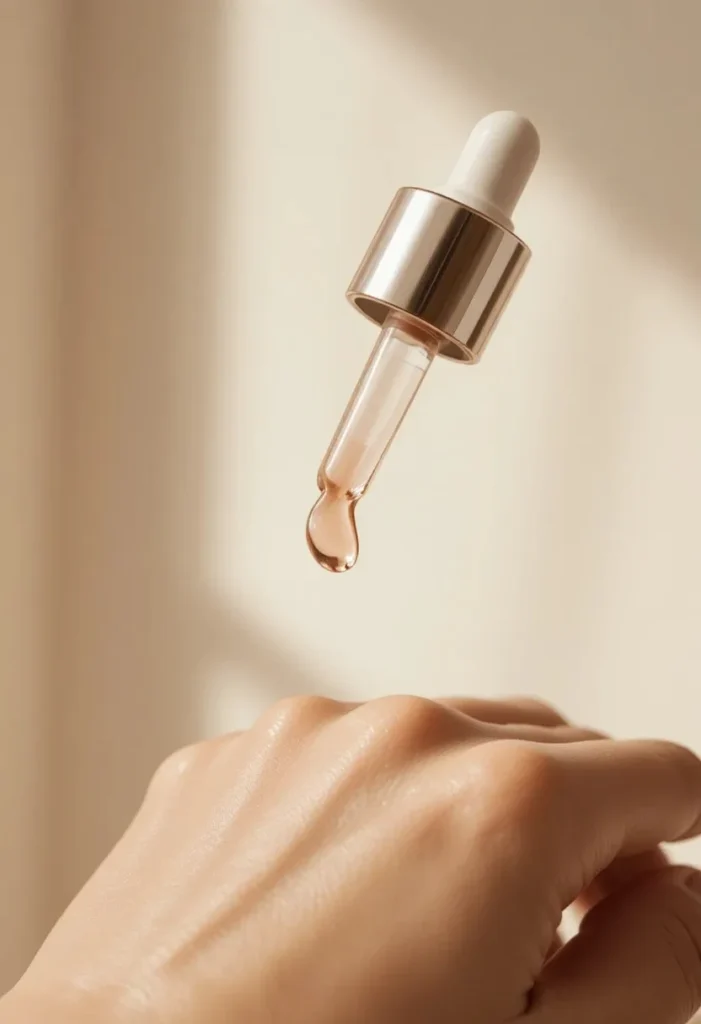
A lightweight, serum-like drop formula that mixes into moisturizer or wears alone. Its thin consistency makes over-application almost impossible, which naturally teaches you the “less is more” rule beginners often learn the hard way.
Best for: Minimal-makeup days, those wanting a skincare-hybrid feel
11. AI-Matched Custom Foundations (e.g., DCYPHER)
Custom-matched foundation technology is having a real moment. Instead of choosing from a preset shade range, AI analyzes your skin tone and undertone to create a formula matched specifically to you — removing the guesswork entirely for beginners who struggle with shade matching in-store. Really Ree
Best for: Anyone who’s been burned by wrong shade matches before
Bonus: ILIA True Skin Serum Foundation
A great option for anyone who doesn’t want to overlook skincare benefits while still wanting visible coverage — a nice middle ground between a tint and a true foundation. IBKDigital
Best for: Skin-focused beginners, combination/normal skin
How to Apply Foundation the Beginner-Proof Way
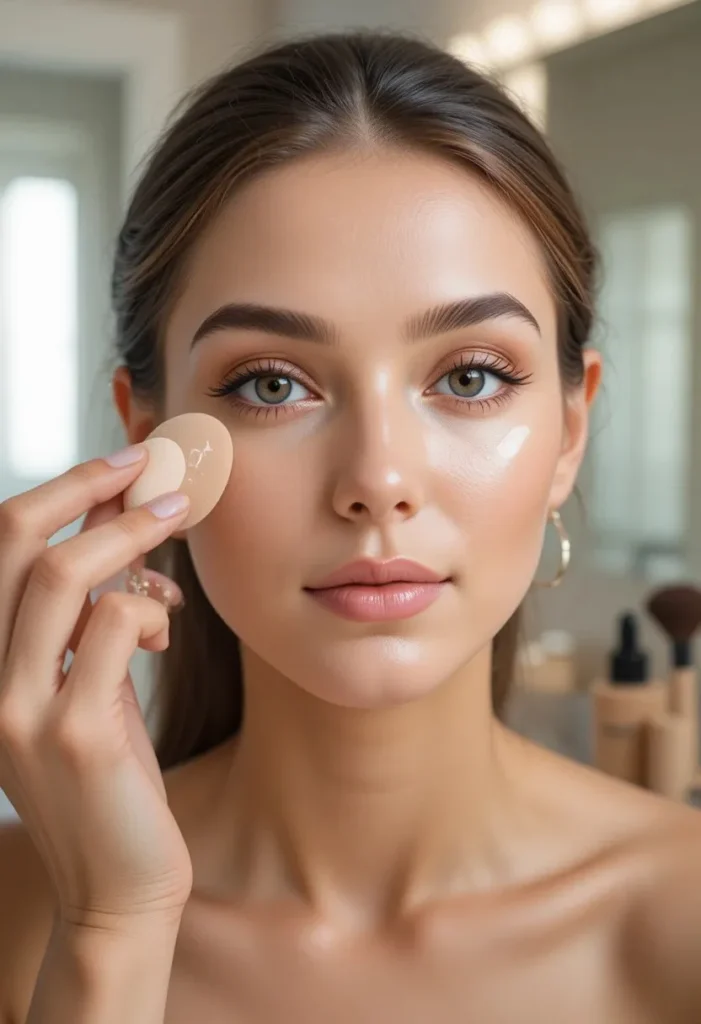
Once you’ve picked your formula, application technique makes or breaks the finish. Here’s the method most experts agree on:
Step 1: Prep your skin. Moisturizer and primer create the smooth “canvas” foundation needs to sit evenly.
Step 2: Dampen your sponge. Soak your sponge in water, then gently squeeze out the excess — it should be slightly damp, not dripping wet. A dry sponge soaks up your product instead of applying it to your face. MasterClass
Step 3: Dispense onto your hand first. Apply a few drops of liquid foundation to the back of your hand, then pick it up with your damp sponge rather than squeezing it directly onto your face. MasterClass
Step 4: Dot, don’t drag. Apply the foundation in gentle dabs and avoid swiping or wiping, which causes streaks and can stretch your skin. Beautyblender
Step 5: Build where you need it. You don’t need to apply foundation evenly everywhere — apply it strategically to even out your complexion rather than layering a thick coat over your entire face. Beautyblender
Remember: it’s much easier to add more foundation for extra coverage than to remove excess — so always start with less than you think you need. Beautyblender
5 Foundation Mistakes Every Beginner Makes (and How to Fix Them)
- Matching on the wrist instead of the jawline — always test along the jaw and neck in daylight
- Using a dry sponge — it drinks your product instead of applying it evenly
- Rubbing instead of dabbing — this streaks the product and disturbs your skincare underneath
- Skipping primer — foundation grips better and lasts longer with a prepped base
- Applying too much at once — thin layers build to full coverage without looking heavy
Frequently Asked Questions
What’s the easiest foundation formula for a total beginner?
Liquid foundation is generally the most forgiving to start with — it blends easily and can be built up in thin layers, while powders can sometimes emphasize dry patches.
Should I use a brush, sponge, or fingers?
A damp sponge is the most beginner-friendly since it naturally sheers out product and prevents heavy, streaky application. Fingers work in a pinch and warm the product for easier blending, while brushes offer more control once you’re comfortable.
How long should foundation last on the skin before I judge the shade?
Give it about 10–15 minutes. Foundation can oxidize slightly after application, so the shade you see immediately isn’t always the final result.
Do I need to set my foundation with powder?
Not always — it depends on your skin type and the finish you want. Oily skin generally benefits from a light powder set, while dry skin often looks better left dewy.
Final Thoughts: Building Confidence, One Layer at a Time
The “perfect” foundation isn’t about finding the most expensive or most talked-about bottle — it’s about finding the formula that forgives your learning curve while you build your skills. Start with something buildable and skin-like, master the damp-sponge technique, and you’ll be blending like a pro far sooner than you expect.

