
Anti-Aging the serum. You’ve bought the cream. You’ve probably bought that $80 eye gel that promised to “erase” ten years overnight. And yet the fine lines are still there, staring back at you every time you catch your reflection in a store window.
Here’s the thing: it was never about buying more products. It’s about using the right ones, in the right order, at the right time — and that’s exactly what this guide is going to hand you.
Below are 11+ genuinely dermatologist-informed skincare routine ideas that work together as a complete system, not a random pile of bottles on your bathroom shelf. Save this post now, because by the end, you’ll have a full morning-to-night anti-aging routine mapped out — and step 9 is the one most people get completely backwards.
Why Most Anti-Aging Routines Fail Before They Even Start
Before we get into the steps, let’s clear something up: aging skin isn’t really about wrinkles appearing overnight. It’s about a slow decline in three things — collagen production, cell turnover, and your skin’s ability to hold onto moisture. Once you understand that, the whole routine starts to make sense.
Here’s the thing: most people layer five or six “anti-aging” products on top of each other and wonder why their skin looks irritated instead of radiant. More isn’t better. Order, consistency, and sun protection are what actually move the needle.
Anti-Aging of another list of trendy products, this is a system — a morning routine, a nighttime routine, and a few weekly extras that all work together.
The One Rule That Makes Everything Else Work
Apply your products from thinnest to thickest texture. Watery essences and serums go on before creams and oils, so every active ingredient gets the chance to actually absorb instead of sitting on top of a heavy moisturizer, going nowhere. Keep this rule in your back pocket — you’ll use it in every step below.
Save this for later — screenshot this guide before you start building your shelf, so you don’t end up buying products you don’t actually need.
Your Morning Anti-Aging Routine (Steps 1–6)
Mornings are all about protection. You’re not trying to “fix” anything before noon — you’re building a shield that gets your skin through pollution, sun exposure, and whatever your day throws at it.
Step 1: Start With a Gentle, Non-Stripping Cleanser
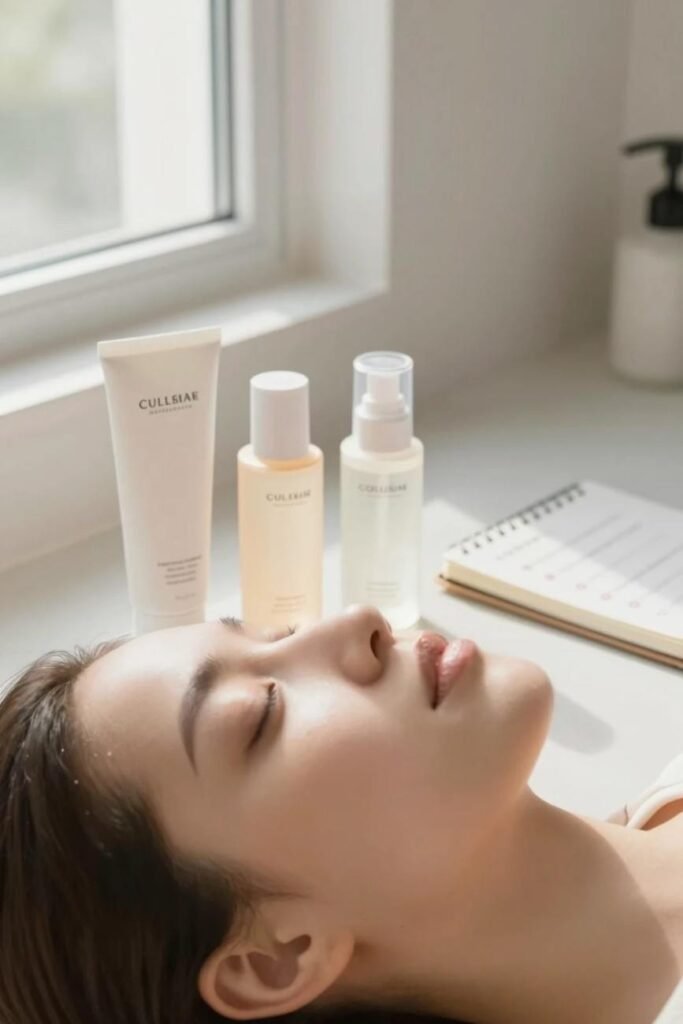
Skip anything that leaves your skin feeling squeaky-tight. As skin matures, its natural barrier gets thinner and more fragile, so a harsh, foaming, sulfate-heavy cleanser does more damage than good. A cream or gel cleanser that removes overnight oil without stripping your skin is all you need in the morning — you’re not removing makeup, just prepping the canvas.
Quick tip: if your skin feels tight or dry two minutes after cleansing, your cleanser is too harsh. That’s a sign to swap it out.
Step 2: Layer On an Antioxidant Serum
Vitamin C is your daytime bodyguard. It neutralizes free radicals from UV rays and pollution before they can break down collagen, and over time it helps fade dullness and uneven tone. Anti-Aging retinol as your overnight repair crew and vitamin C as your daytime defense squad — they’re a team, not competitors.
Apply a few drops onto clean, slightly damp skin and let it fully absorb before moving on.
Step 3: Don’t Skip the Eye Cream
The skin around your eyes is up to five times thinner than the rest of your face, which is exactly why fine lines show up there first. A lightweight eye cream with peptides or hyaluronic acid, gently patted (never rubbed) around the orbital bone, helps keep this delicate area hydrated and smooth.
Save-worthy tip: Use your ring finger to apply eye cream — it naturally applies the lightest pressure of any finger, which matters for such delicate skin.
Step 4: Add a Hydrating Layer
A hyaluronic acid or peptide-based serum plumps the skin and locks in moisture before your moisturizer seals everything else in. This is the step people skip most often — and it’s the one that makes your skin look genuinely “glowy” instead of just matte and flat.
Step 5: Moisturize With Ceramides
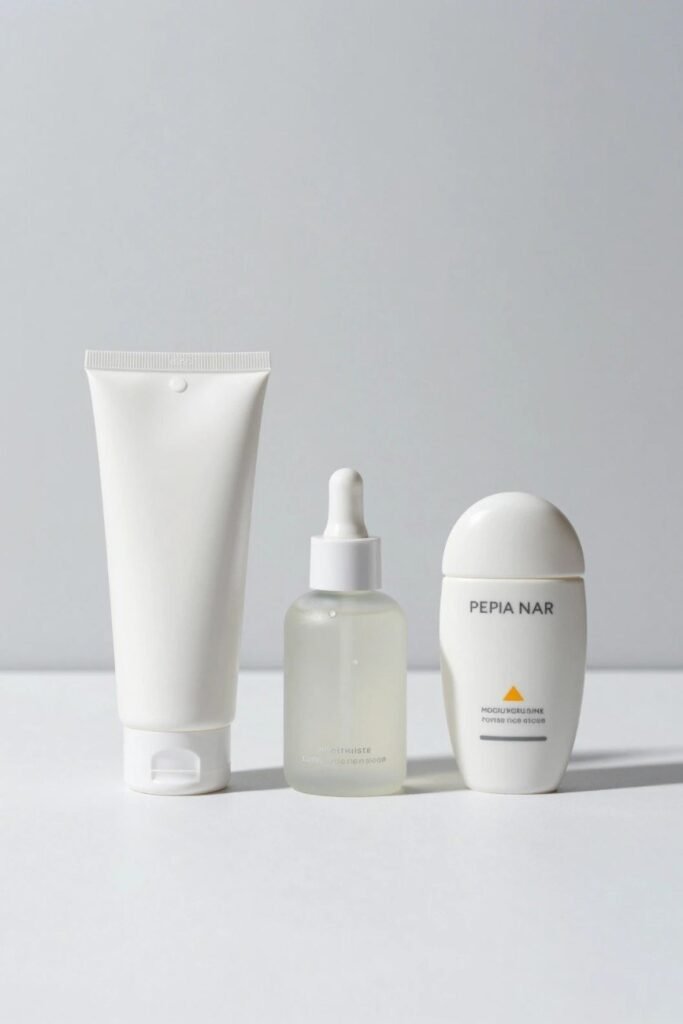
Ceramides are the fatty molecules that hold your skin barrier together, and they naturally decline with age. A moisturizer built around ceramides helps prevent water loss and keeps your skin looking plump rather than papery. Look for a formula that’s non-comedogenic so it won’t clog your pores underneath sunscreen.
Step 6: Sunscreen — Non-Negotiable, Every Single Day
But there’s a catch: none of the above steps matter if you skip this one. Sun exposure is responsible for the majority of visible skin aging — far more than genetics. Anti-Aging-spectrum SPF 30 or higher, applied every morning (yes, even when it’s cloudy, even in winter, even if you’re indoors most of the day near a window), is the single most powerful anti-aging step that exists. Reapply every two hours if you’re outside for extended periods.
Quick recap of your morning routine:
- Gentle cleanser
- Vitamin C serum
- Eye cream
- Hydrating serum
- Ceramide moisturizer
- SPF 30+
Your Evening Anti-Aging Routine (Steps 7–11)
So what does this mean for your nights? Evenings are where the real repair work happens — this is when your skin regenerates, so it’s the time to bring in your stronger active ingredients.
Step 7: Double Cleanse
Anti-Aging full day of sunscreen, makeup, and pollution, one cleanse usually isn’t enough. Start with an oil-based cleanser or balm to break down makeup and SPF, then follow with your gentle gel or cream cleanser to actually clean the skin underneath. This two-step method gives your nighttime actives a genuinely clean surface to absorb into.
Step 8: Exfoliate (But Only 2–3 Times a Week)
Anti-Aging ages, natural cell turnover slows dramatically, which is why dullness and rough texture creep in. A gentle chemical exfoliant — an AHA like glycolic or lactic acid, or a BHA like salicylic acid — sloughs away dead skin cells and helps your other products penetrate more effectively.
The mistake almost everyone makes here: exfoliating every single night. Over-exfoliation damages your skin barrier and actually accelerates visible aging. Two to three nights a week is the sweet spot for most skin types — and never combine exfoliation with retinol on the same night.
Step 9: Retinol — The Step Most People Get Wrong
This is the one. Retinol (or a gentler retinaldehyde if you’re a beginner) is the most well-researched anti-aging ingredient available without a prescription. It speeds up cell turnover, boosts collagen production, and smooths fine lines over time.
Here’s where people go wrong: they start using it every night immediately and end up red, flaking, and irritated within a week. Start slow — one to two nights a week, always on completely dry skin, always followed by a moisturizer to buffer any sensitivity. Gradually build up to nightly use only once your skin tolerates it well.
And remember Step 6 from your morning routine? This is exactly why it’s non-negotiable — retinol makes your skin significantly more sensitive to UV damage the next day.
Step 10: A Peptide or Repair Serum
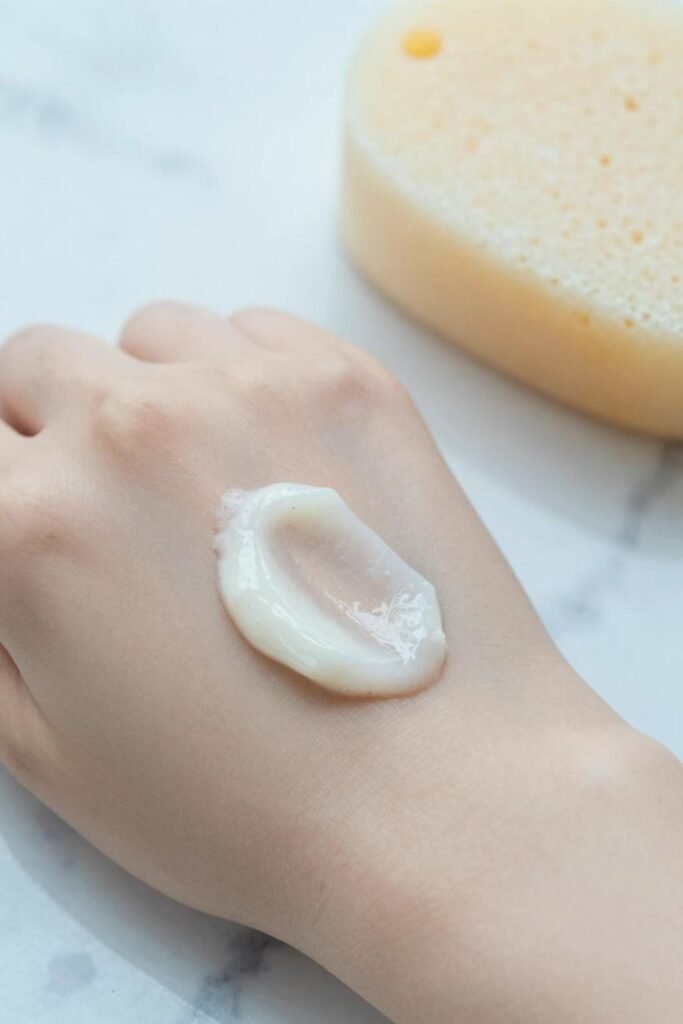
Peptides are short chains of amino acids that signal your skin to produce more collagen. Layered after retinol (once your skin has adjusted), a peptide serum supports the repair process while you sleep, helping improve firmness and elasticity over time.
Step 11: Se; al It In With a Richer Night Moisturizer
Anti-Aging moisturizer can afford to be heavier than your daytime one, since you don’t need to worry about it sitting under makeup or sunscreen. Look for one with ceramides, shea butter, or squalane to lock in every active you just applied and support overnight barrier repair.
Bonus Steps: The Extras That Take Your Routine From Good to Great
You don’t need every step below every single night, but these are the details that separate a basic routine from one that actually delivers visible, long-term results.
Read More : 14+ Acne Scars Fading Routine Ideas That Actually Work (Without Wrecking Your Skin Barrier)
Bonus Step 12: Face Oil for Extra Dry or Mature Skin
If your skin still feels tight after moisturizing, a few drops of a nourishing facial oil — rosehip or squalane are gentle, well-tolerated options — pressed in as the very last step can seal in extra hydration, especially through colder months.
Bonus Step 13: Don’t Forget Your Neck and Décolletage
Your neck and chest show signs of aging just as much as your face — often sooner, since they’re rarely included in a skincare routine at all. Whatever serum and moisturizer you’re using on your face can be swept down over your neck and décolletage, too. It takes ten extra seconds and makes a real difference over time.
Bonus Step 14: A Weekly Hydrating or Brightening Mask
Once a week, swap your usual moisturizer step for a hydrating or brightening mask. This is a great moment for a visually indulgent, “spa night” style treatment — and it happens to make a genuinely great photo if you’re the type to document your routine.
5 Lifestyle Habits That Make Your Routine Actually Work
Your skincare products can only do so much if the basics behind the scenes aren’t in place. Here’s the thing: dermatologists consistently point to these five habits as being just as important as anything in your medicine cabinet.
- Hydration: Aim for around 2–3 liters of water daily — dehydrated skin shows fine lines more prominently.
- Sleep: 7–8 hours gives your skin the time it needs to actually complete its overnight repair cycle.
- Diet: Antioxidant-rich foods like berries, leafy greens, and nuts help fight the free-radical damage that ages skin from the inside out.
- Movement: Regular exercise improves circulation, which helps deliver nutrients to skin cells.
- Stress management: Chronic stress raises cortisol, which can break down collagen over time — so whatever helps you decompress genuinely supports your skin, too.
Common Anti-Aging Mistakes That Age You Faster
- Skipping sunscreen on cloudy or indoor days — UV rays penetrate clouds and windows.
- Introducing too many actives at once — your barrier can’t handle retinol, exfoliants, and vitamin C all in the same week if you’re new to actives.
- Over-exfoliating — more scrubbing does not equal smoother skin; it usually means more irritation.
- Ignoring your neck and hands — two of the first places visible aging shows up.
- Expecting overnight results — most active ingredients take around 8–12 weeks of consistent use before changes are visible.
Frequently Asked Questions
When should I start an anti-aging skincare routine?
There’s no official starting age. Prevention-focused habits like SPF, antioxidants, and hydration can begin in your 20s, while more targeted actives like retinol are typically introduced in your late 20s to 30s as needed.
Can I use vitamin C and retinol in the same routine?
Yes, but not layered together in the same application. Vitamin C works best in the morning; retinol belongs in your evening routine.
How long until I see results from an anti-aging routine?
Most people notice early improvements in texture and hydration within 4–6 weeks, with more visible changes to fine lines and tone around the 3-month mark.
Do I really need a separate eye cream?
The eye area ages differently than the rest of your face due to thinner skin, so a dedicated, gentle formula tends to perform better than stretching your regular moisturizer up to your lash line.
Your Takeaway: Consistency Beats Complexity
A great anti-aging skincare routine isn’t about owning the most products — it’s about using the right ones, in the right order, consistently enough for your skin to actually respond. Start with the basics (cleanse, moisturize, SPF), layer in retinol and vitamin C once your skin is ready, and give the whole system time to work.

