If your makeup bag is full of heavy foundations you rarely reach for anymore, you’re not alone. More and more people are ditching full coverage in favor of something that feels like skincare and looks like your skin — just better. That’s exactly what a tinted moisturizer is built to do, and there isn’t just one “right” way to wear it.
Whether you have dry skin that drinks up hydration, oily skin that needs a shine check, or you’re simply hunting for your first “your-skin-but-better” product, this list breaks down 11+ tinted moisturizer ideas so you can find (or build) the one that fits your exact routine.
What Exactly Is a Tinted Moisturizer?
A tinted moisturizer sits in a sweet spot between skincare and makeup. It’s a lightweight, hydrating base with just enough pigment to even out tone — without the opacity of a full foundation.
Here’s how it compares to its closest cousins:
- Tinted Moisturizer — Sheer, skincare-forward, minimal coverage, hydration-first.
- BB Cream — A bit more coverage and usually more “actives” packed in (think antioxidants, SPF, brightening agents).
- CC Cream — Built specifically to color-correct redness, sallowness, or dullness before adding any tint.
- Foundation — The most pigmented option, designed to fully even out and conceal.
If your goal is “my skin, but rested and glowy,” a tinted moisturizer is almost always the right call.
How to Choose the Right Tinted Moisturizer for You
Before jumping into the ideas below, it helps to know what to look for:
- Skin type — dry skin wants hydrating, dewy formulas; oily skin does better with lightweight or semi-matte finishes.
- Coverage level — sheer (barely-there) vs. buildable (a bit more even-toned without feeling heavy).
- Finish — dewy/luminous, natural/satin, or matte.
- SPF — many tinted moisturizers include sun protection, but always check whether it’s a true mineral SPF or just a cosmetic boost.
- Skincare actives — hyaluronic acid, niacinamide, vitamin C, and antioxidants are common additions worth looking for.
Keep these in mind as you go through the ideas below — the “best” tinted moisturizer really does depend on what your skin needs that day.
11+ Tinted Moisturizer Ideas to Try
1. The Dewy, Hydration-First Tint (For Dry Skin)
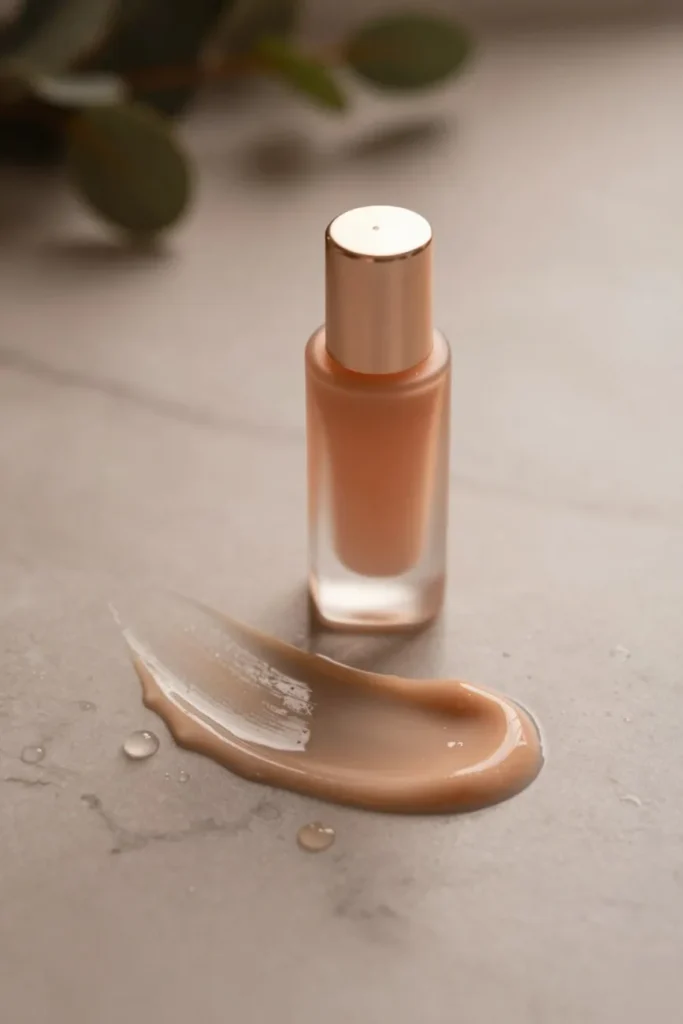
If your skin tends to feel tight or flaky, look for a tinted moisturizer built around hyaluronic acid, squalane, or glycerin. These formulas plump the skin as they wear, leaving a soft, dewy finish rather than sitting in fine lines. This is the closest thing to “glass skin in a bottle” for dry skin types.
Pro tip: Apply over a hydrating serum while skin is still slightly damp for maximum glow.
2. The Mattifying or Semi-Matte Tint (For Oily & Combination Skin)
Oily skin doesn’t have to skip tinted moisturizer — it just needs the right texture. Look for oil-free, lightweight formulas or ones labeled “semi-matte” or “natural finish.” A quick swipe of a mattifying primer underneath can extend wear through the day without looking flat or cakey.
3. The Mineral SPF Tint (For Everyday Sun Protection)
Some tinted moisturizers double as your daily sunscreen, using zinc oxide or titanium dioxide instead of chemical filters. These are ideal if you want to simplify your morning routine into one step. Just double-check the label — not every “SPF-labeled” tint offers true broad-spectrum protection, so it’s worth reading the fine print if sun protection is your priority.
4. The Buildable, Medium-Coverage Tint
Not every tinted moisturizer has to stay ultra-sheer. Buildable formulas let you layer for a bit more evenness on days you need it, then sheer out on low-maintenance days. This flexibility makes one product work for both your gym run and your dinner reservation.
5. The Color-Correcting Tint (For Redness or Uneven Tone)
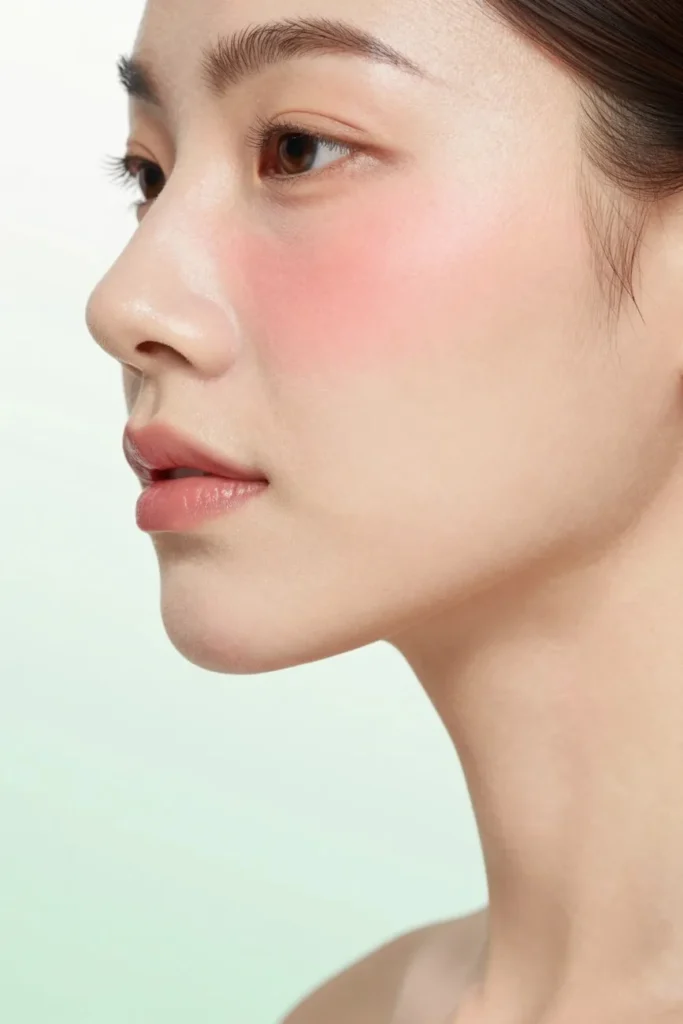
If discoloration, redness, or sallowness is your main concern, a color-correcting tinted moisturizer (closer to a CC cream) can neutralize tone before it even adds pigment. These are especially handy for anyone dealing with post-breakout marks or rosacea-prone skin.
6. The Clean Beauty Tint (Free From Parabens & Sulfates)
Clean beauty has fully arrived in the tinted moisturizer world. If ingredient transparency matters to you, look for formulas free from parabens, phthalates, and sulfates, often paired with plant-based, antioxidant-rich oils. Many of these lean into eco-conscious packaging too, so it’s a win for skin and the planet.
Read More : 14+ Peptides in Skincare: Benefits, Types, and How to Use Them for Firmer, Younger-Looking Skin
7. The BB Cream Hybrid (For Extra Skincare Perks)
Want a bit more than a basic tint? A BB cream leans into added benefits — think brightening vitamin C, soothing niacinamide, or even mild acne-fighting ingredients. It’s a great “in-between” option if a tinted moisturizer feels too sheer but full foundation feels like overkill.
8. The Cream-Blush Tint (For a Natural Flush)
Some tinted moisturizers do double duty as a subtle blush, giving cheeks a soft, lit-from-within flush along with even skin tone. This multitasking idea is perfect for anyone who wants to cut down their routine to as few products as possible.
9. The Anti-Aging Tint (For Mature Skin)
Mature skin often benefits from tinted moisturizers infused with peptides, antioxidants, or brightening actives that support skin over time, alongside sheer coverage that won’t settle into fine lines. Formulas with a satin or dewy finish (rather than heavy matte) tend to look the most natural on mature skin.
10. The Budget-Friendly Drugstore Tint
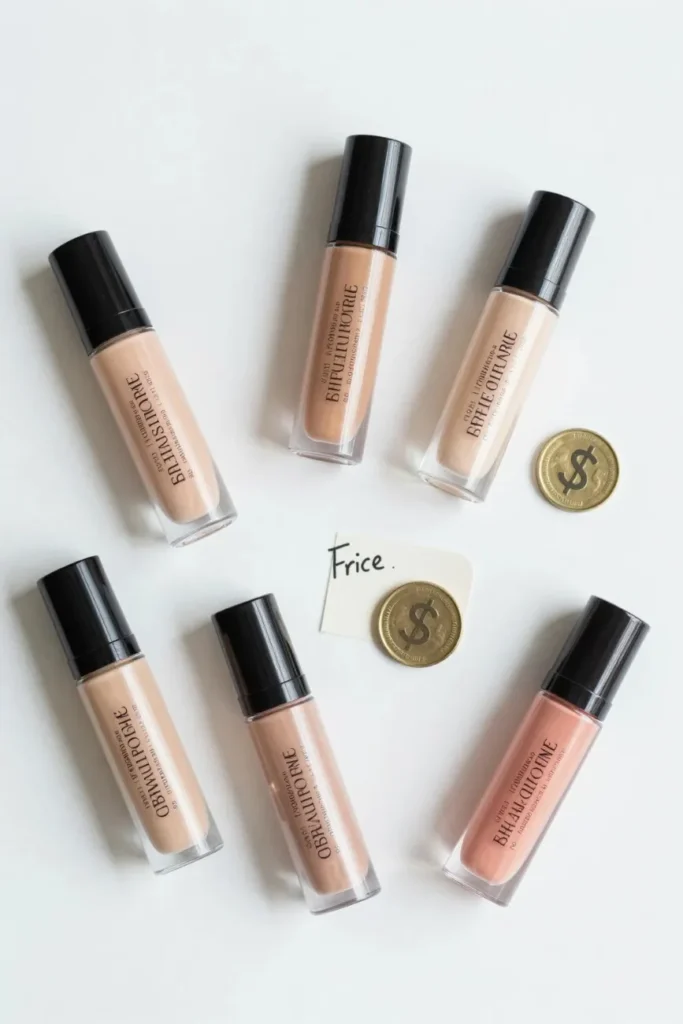
You don’t need a luxury price tag to get a great tinted moisturizer. Drugstore shelves are full of solid, affordable options with light coverage, added vitamins, and sometimes even SPF — perfect for building a routine without a big investment.
11. The Luxury Splurge Tint
On the other end, splurge-worthy tinted moisturizers often bring more refined skincare technology, richer ingredient lists, and a more luxurious sensorial feel. If your skin (or your self-care routine) is worth the investment, this category is where high-performance formulas live.
12. The DIY Tinted Moisturizer (Bonus Idea)
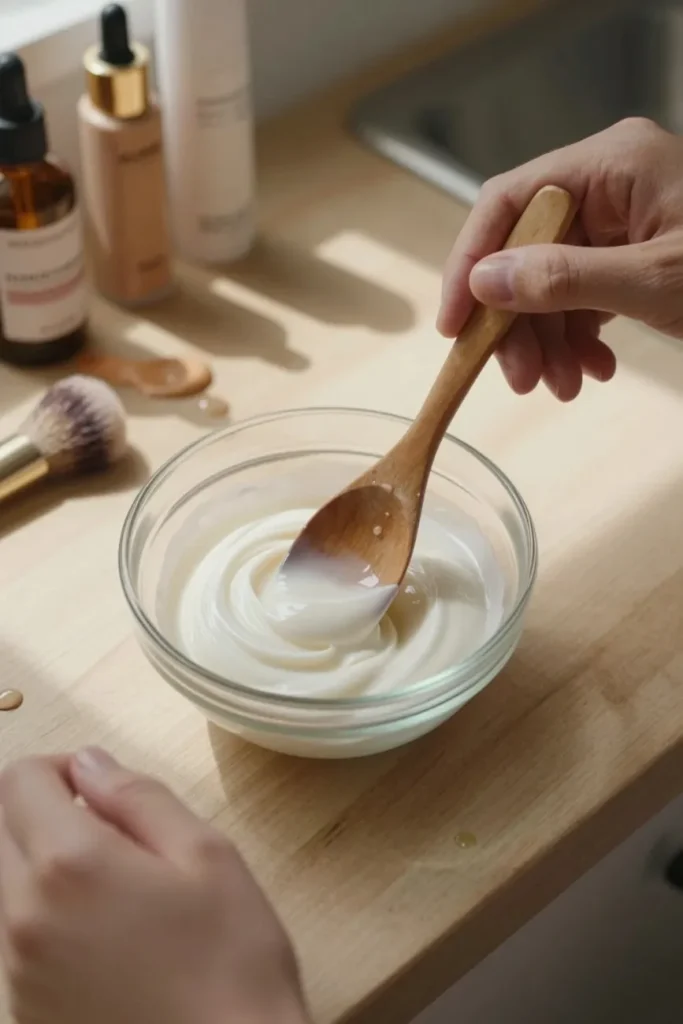
If you love a good beauty hack, you can create your own tinted moisturizer at home by mixing a few drops of liquid foundation or mineral pigment powder into your favorite moisturizer. It’s a fun, customizable way to control your exact shade and coverage level — and it’s an easy way to use up products you already own.
How to Apply Tinted Moisturizer Like a Pro
Getting the most natural finish comes down to technique:
- Start with skincare — a hydrating serum or light moisturizer underneath helps the tint glide on evenly.
- Use your fingers or a damp sponge — both warm the product and press it into skin for a second-skin finish.
- Apply in thin layers — build coverage gradually rather than piling it on at once.
- Set only where needed — a light dusting of powder on the T-zone keeps the rest of your skin looking dewy.
- Blend down to the neck — this small step prevents any visible line between face and neck.
Tinted Moisturizer Mistakes to Avoid
- Using too much product. A little goes a long way — start with a pea-sized amount.
- Skipping SPF verification. Don’t assume “tinted” automatically means sun-protected.
- Choosing the wrong finish for your skin type. A dewy formula on very oily skin (or a matte one on very dry skin) can work against you.
- Not blending quickly enough. Many formulas set fast, so work in small sections.
Frequently Asked Questions
Is a tinted moisturizer better than foundation?
It depends on your goal. Tinted moisturizer is better for a natural, low-coverage look, while foundation is better if you need to conceal more noticeable discoloration or blemishes.
Can I wear tinted moisturizer every day?
Yes — many people wear it daily precisely because it feels lighter than foundation and often includes hydrating or SPF benefits.
Do I need a primer under tinted moisturizer?
Not usually, but if you have oily skin or want extra longevity for a long day or event, a lightweight primer can help.
Can tinted moisturizer replace my sunscreen?
Only if it offers a genuine broad-spectrum SPF rating — otherwise, treat it as makeup and wear sunscreen underneath.
Final Thoughts
The beauty of tinted moisturizer is that there’s no single “correct” way to wear it. Whether you gravitate toward a dewy hydration-first formula, a mattifying option for oilier days, or even a DIY version mixed at home, there’s an idea on this list to match your skin and your routine. Try a couple of these approaches, and you’ll likely land on your new everyday, no-makeup makeup go-to.

