You finally got the acne under control. The breakouts calmed down, your skin stopped hurting… and then you looked in the mirror and saw a map of brown and reddish marks left behind. That’s the moment most people panic and start buying every “dark spot corrector” on the shelf, hoping one of them is the magic fix.
Here’s the truth: post-inflammatory hyperpigmentation (PIH) is completely treatable — but only if you’re using the right ingredients, in the right order, for long enough to actually see results. Random product-hopping is exactly why so many people feel “stuck” with dark marks for over a year when they could have faded in three to four months.
This guide breaks down 16+ real, dermatology-backed treatment ideas for PIH — from budget drugstore ingredients to in-office procedures — so you can build a routine that actually clears your skin instead of just managing it. Save this now, because you’ll want to come back to it as you build your routine.
What Exactly Is PIH (and Why Won’t It Just Go Away)?
PIH shows up as flat, discolored marks — brown, purple, or dark red — left behind after acne, eczema, a bug bite, a burn, or even an aggressive facial. It’s not a scar. There’s no texture change. It’s simply excess melanin that your skin produced as an overreaction to inflammation, and it’s sitting in the upper layers of your skin like a bruise that won’t quit.
The reason it lingers is that melanocytes (your pigment-producing cells) get triggered by inflammation and go into overdrive. The deeper that pigment sits, the longer it takes to clear — which is why some marks fade in a few weeks and others hang around for months. People with medium to deep skin tones tend to see PIH more often and for longer, simply because their melanocytes are more reactive to begin with.
The good news: because PIH is just trapped pigment (not permanent damage), it responds extremely well to consistent treatment. You just need the right combination of ingredients — and reasonable expectations about timing.
How Long Does PIH Actually Take to Fade?
Before diving into the list, set your expectations correctly, because this is where most people quit too early:
- Mild PIH, lighter skin tones: visible improvement in 4–6 weeks, mostly resolved in 2–3 months
- Deeper or more stubborn PIH, medium-to-deep skin tones: 4–8 weeks before you notice a real difference, full fading over 3–6 months
Consistency beats intensity every time. Switching products every two weeks because you “don’t see results yet” is the number one reason PIH routines fail.
16+ PIH Hyperpigmentation Treatment Ideas
1. Stop the Inflammation at the Source First
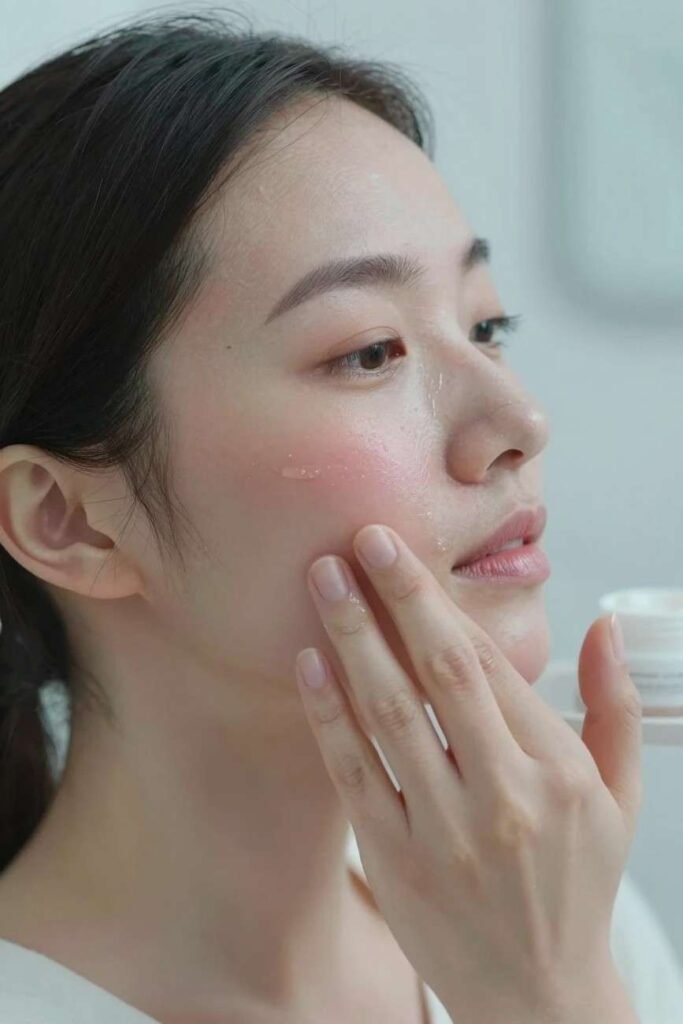
You cannot out-treat active inflammation. If you’re still picking at acne, using overly harsh exfoliants, or letting breakouts go untreated, you’re creating new PIH faster than the old marks can fade. Treating acne early and gently is genuinely step one of any hyperpigmentation plan.
2. Non-Negotiable: Broad-Spectrum SPF 30+ Every Single Day
This is the one item on this list that will make or break every other treatment. UV exposure directly stimulates melanin production, which darkens existing PIH and slows fading dramatically — even a few minutes of unprotected sun can undo weeks of progress. Apply sunscreen every morning, rain or shine, and reapply if you’re outdoors for extended periods.
Quick tip to pin: No sunscreen = no progress. It’s that simple with PIH.
3. Niacinamide
Niacinamide is one of the gentlest, most universally tolerated brightening ingredients available. It works by interrupting the transfer of pigment to skin cells and also strengthens your skin barrier, which matters because a healthy barrier heals PIH faster. It layers well with almost everything else on this list.
4. Azelaic Acid
Azelaic acid is a personal favorite among dermatologists treating acne-related PIH because it does double duty: it calms inflammation and blocks abnormal pigment production at the same time. It’s considered safe for darker skin tones and sensitive, acne-prone skin — a rare combination for a brightening ingredient.
5. Vitamin C (L-Ascorbic Acid or Derivatives)
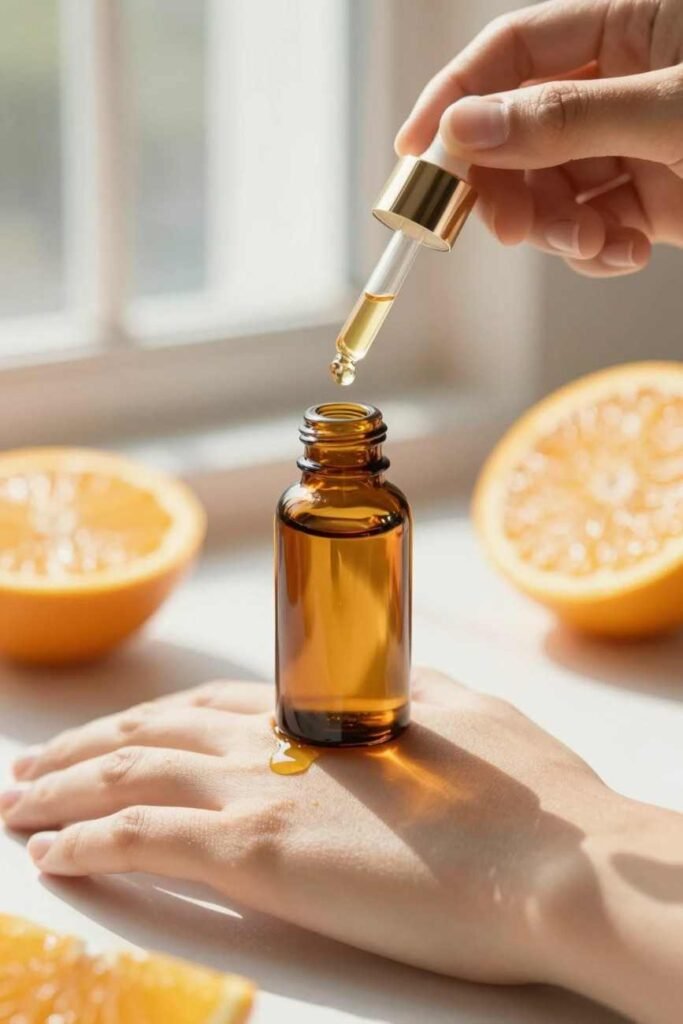
A well-formulated vitamin C serum used in the morning helps neutralize free-radical damage while gradually fading discoloration. Look for stabilized derivatives if your skin is sensitive, since pure L-ascorbic acid can be irritating at higher concentrations.
6. Tranexamic Acid
This ingredient has gained serious traction recently because it targets pigmentation caused by both inflammation and vascular factors — making it useful for PIH as well as the reddish marks (PIE) that often show up alongside it. It pairs especially well with niacinamide.
Read More : 12+ Blackheads Removal Methods That Actually Work (Dermatologist-Backed Guide for 2026)
7. Kojic Acid
A byproduct of fermentation, kojic acid is a tyrosinase inhibitor, meaning it blocks the enzyme responsible for melanin production. It’s most effective on surface-level (epidermal) pigment and works well in serums and toners layered under moisturizer.
8. Alpha Arbutin
A gentler, more stable cousin of hydroquinone, alpha arbutin gradually inhibits melanin synthesis with a much lower risk of irritation. It’s a smart choice if your skin reacts to stronger actives.
9. Licorice Root Extract
Licorice root contains glabridin, a compound that helps inhibit melanin production while calming redness and inflammation — making it a nice option for reactive or easily irritated skin that can’t tolerate acids yet.
Save-worthy summary: Niacinamide + azelaic acid + SPF is the single most beginner-friendly, dark-skin-safe PIH combo on this entire list.
10. Retinoids (Retinol or Prescription Tretinoin)
Retinoids speed up cell turnover, pushing pigmented cells to the surface faster so they shed instead of lingering. They’re one of the most effective long-term tools for PIH, but they take time — often several months of consistent nightly use before dramatic change appears. Start low and slow to avoid irritation, which can trigger new PIH.
11. Cysteamine Cream
A newer, dermatologist-favored ingredient, cysteamine has emerged as a strong option for stubborn pigmentation that hasn’t responded to more traditional actives. It’s typically used as a short-contact treatment (applied and rinsed off after a set time) and is often layered into more advanced routines alongside other brighteners.
12. Prescription-Strength Hydroquinone
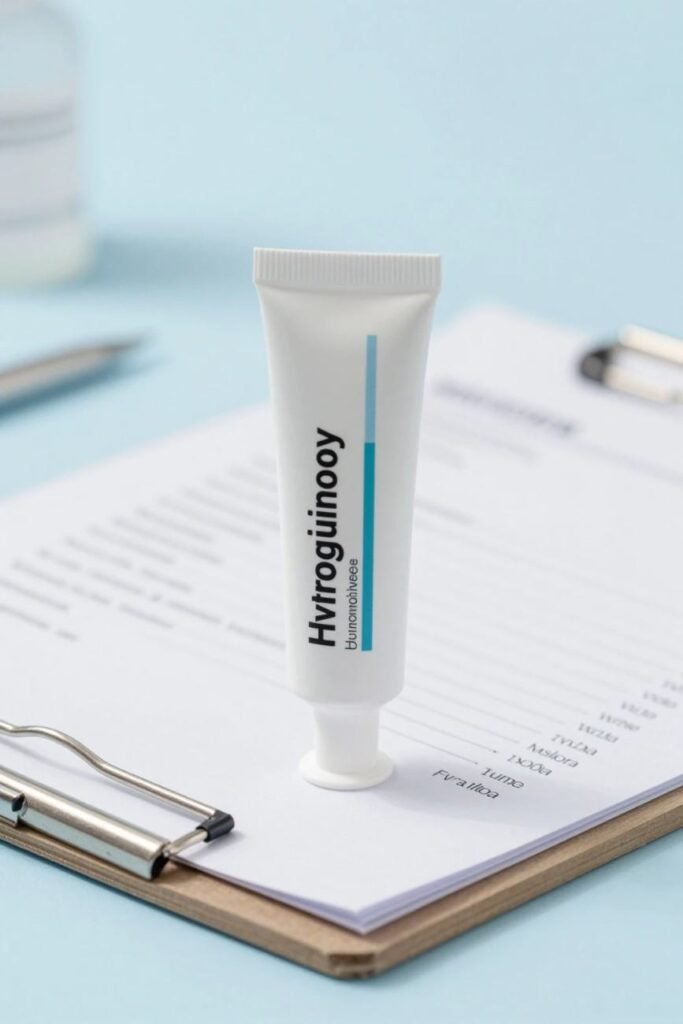
For persistent or deep PIH, a dermatologist may prescribe hydroquinone, one of the most researched pigment inhibitors available. Because it must be applied precisely to avoid lightening the surrounding skin, it’s best used under professional guidance rather than as a first at-home step.
13. Gentle Chemical Exfoliation (AHAs/BHAs)
Mandelic acid, lactic acid, and low-strength glycolic acid help slough off pigmented surface cells without over-stripping the skin. Mandelic acid in particular is a great option for acne-prone and deeper skin tones because its larger molecule size makes it less irritating than glycolic acid.
14. Professional Chemical Peels
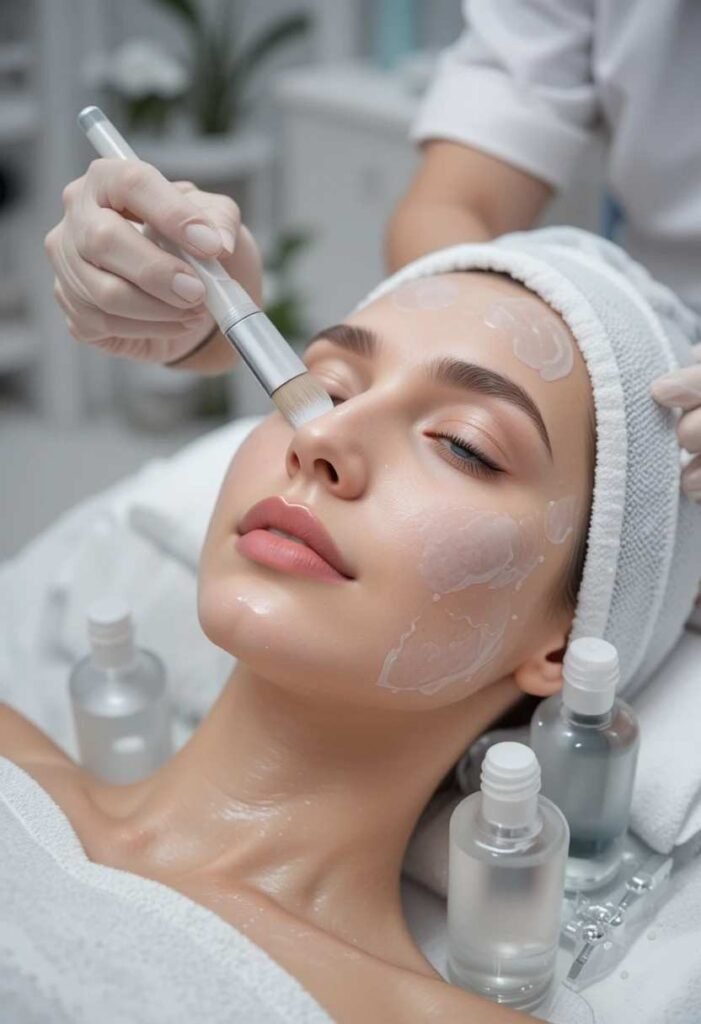
For more stubborn PIH, an in-office peel (often using glycolic, salicylic, or TCA acid) can accelerate fading significantly faster than at-home products alone. These should always be performed by a licensed professional, since peels done incorrectly — especially on deeper skin tones — can actually trigger new PIH.
15. Laser and Light-Based Treatments
Picosecond and fractional lasers can target trapped pigment more precisely than topicals, and are often used for PIH that hasn’t responded to months of consistent home care. This route requires a consultation with a board-certified dermatologist, since incorrect laser settings on melanin-rich skin can worsen pigmentation instead of improving it.
16. Microneedling (as a Delivery Booster)
Microneedling itself doesn’t fade pigment, but it creates micro-channels that allow brightening serums (like vitamin C or tranexamic acid) to penetrate more effectively. It’s typically used as a complementary in-office treatment alongside a topical routine, not a standalone fix.
17. Gentle Natural Support: Aloe Vera and Green Tea
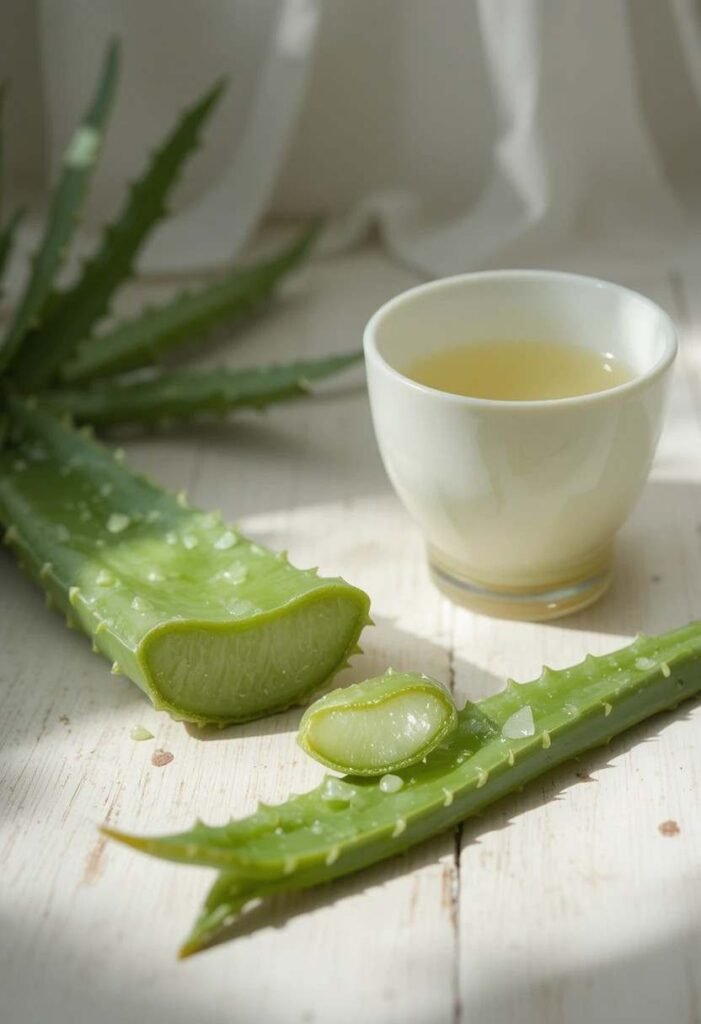
While they won’t outperform clinical ingredients, aloe vera’s anti-inflammatory properties and green tea’s antioxidant content can support healing and calm irritation between stronger treatments — useful on days when your skin needs a break from actives.
18. Barrier Repair (Ceramides + Ceramide-Rich Moisturizers)
An overlooked piece of the puzzle: a compromised skin barrier heals slower and is more prone to new inflammation (which means new PIH). A simple ceramide-based moisturizer used consistently supports every other ingredient on this list by keeping your skin calm enough to actually heal.
19. Bonus Makeup Strategy: Color-Correct Instead of Cake On Concealer
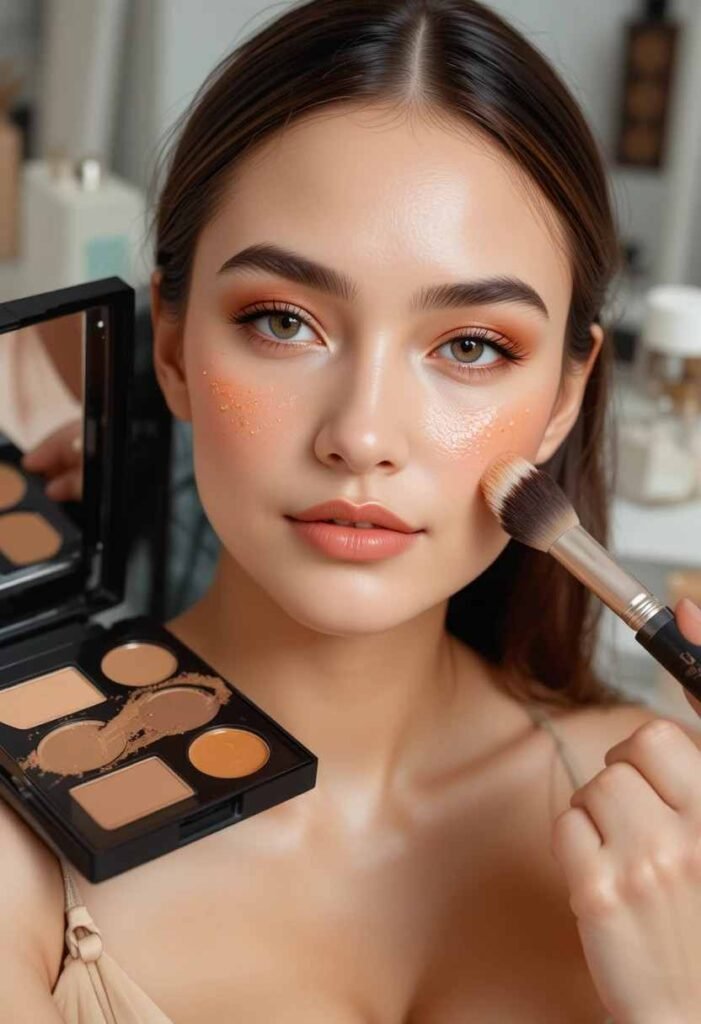
While you wait for your routine to work, skip the thick, cakey concealer approach. A slim layer of color-correcting concealer (peach or orange undertones for brown/purple PIH) followed by a light, buildable base evens things out without clogging pores or worsening the acne that started this whole cycle. Choose non-comedogenic, fragrance-free formulas so your makeup doesn’t undo your skincare progress.
Pin this tip: Color-correct first, then conceal — it uses far less product and looks far more natural than piling on foundation.
A Simple Sample Routine to Put This Into Practice
- Morning: gentle cleanser → niacinamide or vitamin C serum → moisturizer → broad-spectrum SPF 30+
- Evening: gentle cleanser → azelaic acid or a mild AHA/BHA (alternate nights) → retinoid (start 2–3x/week) → ceramide moisturizer
Introduce one new active at a time, give it 3–4 weeks before judging results, and always patch-test anything new.
Frequently Asked Questions About PIH Treatment
Can PIH go away on its own without treatment?
Sometimes, especially mild cases in lighter skin tones — but it can take a year or longer without help. Active treatment consistently speeds up the timeline.
Is PIH the same as melasma?
No. PIH is triggered by inflammation or injury and generally responds well to standard brightening ingredients. Melasma is hormonally driven, often more resistant to treatment, and needs a different long-term approach.
What ingredient should I start with if my skin is sensitive?
Niacinamide and licorice root extract are the gentlest starting points. Add stronger actives like retinoids or acids gradually once your skin tolerates the basics.
Can makeup make PIH worse?
Heavy, pore-clogging formulas can trigger new breakouts, which means new PIH. Stick to non-comedogenic, fragrance-free options while you’re actively treating your skin.
Final Thoughts
PIH feels discouraging because it lingers after the “problem” (the acne, the injury, the irritation) already feels solved. But unlike scarring, PIH is pigment sitting in your skin — not permanent damage — which means the right combination of consistency, sun protection, and targeted ingredients will fade it. Pick two or three ideas from this list that match your skin’s sensitivity level, commit to them for a full 8–12 weeks, and layer in professional treatments if you need extra help with stubborn spots.

