
You’ve finally beaten the breakouts. The pimples are gone. And yet… there they are — those stubborn red, brown, or pitted marks staring back at you every time you check the mirror. If you’ve ever caught yourself Googling “will this ever fade” at 1 a.m., you’re not alone, and you’re definitely not doing anything wrong. Acne scars are just slow. But slow doesn’t mean impossible.
Here’s the thing: most people either give up too early or throw every trending serum at their skin at once, which usually backfires into irritation and more discoloration. What actually works is a layered, consistent routine the right ingredients, in the right order, used at the right pace. Below are 14+ acne scars fading routine ideas dermatologists and skincare experts consistently point to, organized so you can actually build a routine out of them instead of just staring at a list. Stick around for the AM/PM routine breakdown near the end that’s where it all comes together.
Why Acne Scars Take So Long to Fade (Quick Context)
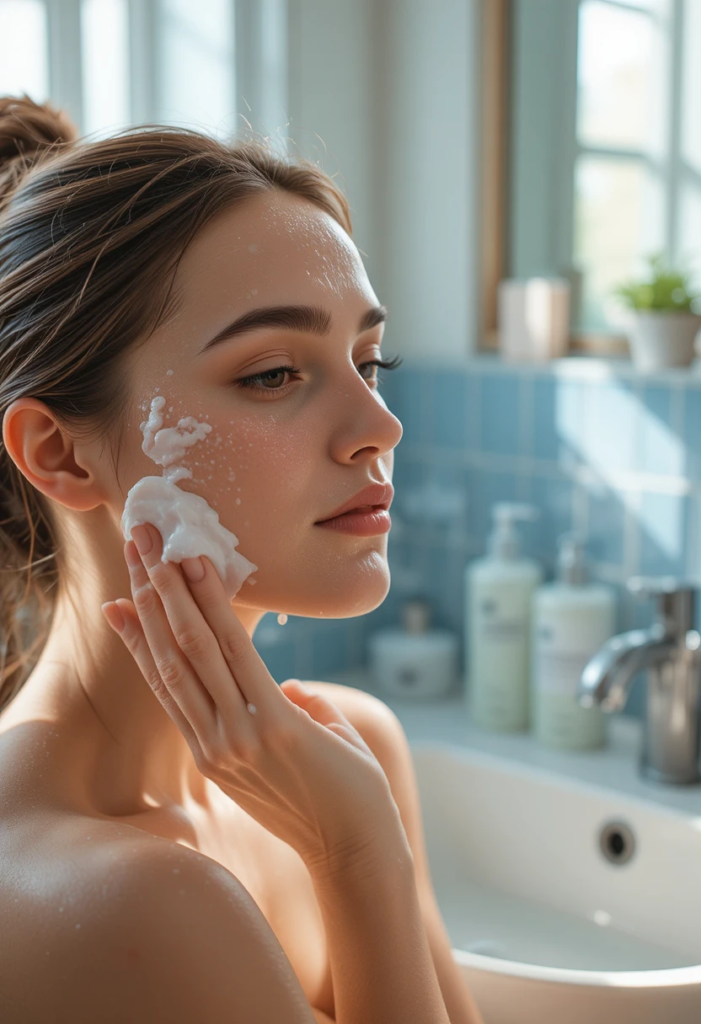
Before jumping into the routine ideas, it helps to know what you’re working with. Acne scars form when inflammation from a breakout damages the deeper layers of skin. As your body repairs that damage, it either overproduces pigment (leaving behind flat, dark or red marks known as post-inflammatory hyperpigmentation or erythema) or under/over-produces collagen (leaving behind textured, pitted, or raised scars).
Flat discoloration marks generally respond well to consistent at-home care and can fade within a few months to about two years. Textured, indented scars respond more slowly to topical products alone and often benefit from professional treatments layered on top of a solid home routine. Either way, the ideas below are designed to work together, not in isolation.
14+ Acne Scars Fading Routine Ideas
1. Start With a Gentle, Non-Stripping Cleanser
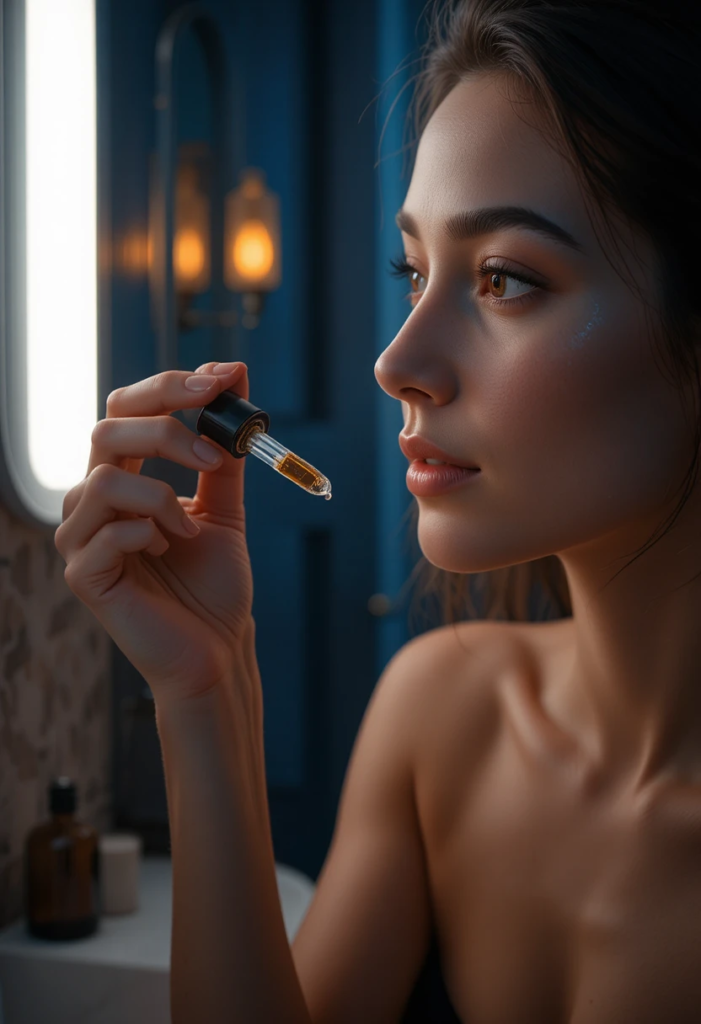
Everything else in your routine depends on this step. A harsh, foaming, or overly drying cleanser damages your skin barrier, and a damaged barrier makes every dark mark look worse and heal slower. Look for a fragrance-free, non-comedogenic cleanser and stick to washing twice daily morning and night. Skip the urge to “deep clean” acne-prone skin with anything that leaves your face feeling tight or squeaky.
2. Add a Vitamin C Serum to Your Morning Routine
Vitamin C is one of the most researched brightening ingredients out there. It helps fade dark spots by interrupting excess pigment production and doubles as an antioxidant that protects your skin from the free-radical damage that can deepen discoloration over the day. Apply it after cleansing and before moisturizer, and give it a few weeks before judging results brightening ingredients are a marathon, not a sprint.
3. Bring In Niacinamide for Tone and Barrier Support
If Vitamin C feels like too much for sensitive, acne-prone skin, niacinamide is the gentler alternative (or a great layering partner). It calms redness, helps regulate oil production, and has solid evidence for evening out skin tone over time. It’s one of the few actives that plays nicely with almost every other ingredient on this list.
4. Introduce a Retinoid at Night Slowly
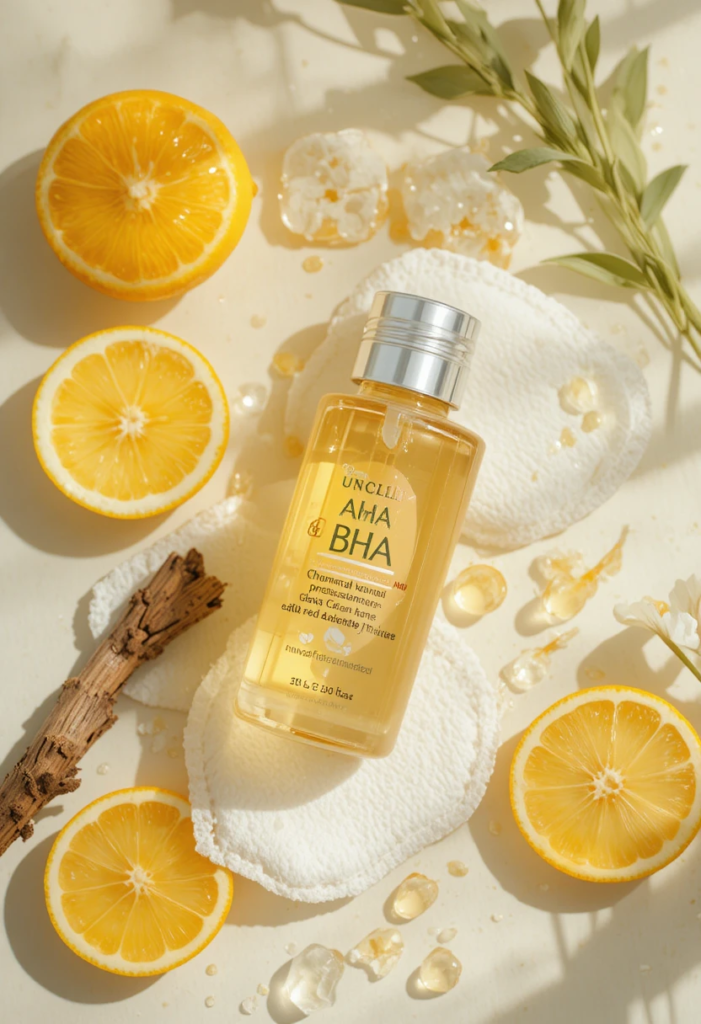
Retinoids (retinol, adapalene, tretinoin) are considered a gold-standard ingredient for fading acne scars because they speed up cell turnover and support collagen remodeling, which helps with both discoloration and texture. The catch: they’re also the ingredient most likely to cause irritation if you rush it. Start with a pea-sized amount two to three nights a week, always at night, and always followed the next morning by sunsc
5. Try Alpha Arbutin for Stubborn Dark Spots
Alpha arbutin is a gentler, slower-acting cousin of hydroquinone that specifically targets hyperpigmentation without the same irritation risk. It’s a solid pick if your scars are mostly dark, flat marks rather than texture, and it layers well underneath moisturizer in either your AM or PM routine.
6. Add Azelaic Acid if Your Skin Leans Sensitive or Reactive
Azelaic acid is often underrated. It fades discoloration, calms active breakouts, and is gentle enough for rosacea-prone or reactive skin making it a great option if retinoids and acids have felt too harsh in the past. It can be used morning or night and works well for both post-acne redness and brown marks.
Read also: 11+ Gradient Lip Korean Technique Ideas That’ll Make Your Lips Look Bitten, Not Painted
7. Use a Chemical Exfoliant (AHA or BHA) 2–3 Times a Week

Regular gentle exfoliation helps shed the dulled, pigmented top layer of skin so fresher skin can surface faster. Salicylic acid (a BHA) is ideal if you’re still managing occasional breakouts, since it also works inside the pore. Glycolic or lactic acid (AHAs) are better suited for surface-level dark spots and rough texture. Two to three nights a week is plenty more isn’t faster, it’s just more irritation.
8. Look for Centella Asiatica (Cica) in Your Repair Products
Centella asiatica has become a staple in Korean skincare for a reason it supports the skin’s healing response, calms inflammation, and helps strengthen the skin barrier while your other actives do the brightening work. It’s an excellent ingredient to lean on during any week your skin feels sensitized from actives.
9. Never, Ever Skip Sunscreen (Seriously)
This is the one non-negotiable step on this entire list. UV exposure darkens existing hyperpigmentation and can undo weeks of progress from your other products in a single unprotected afternoon. Use a broad-spectrum SPF 30 or higher every single morning, rain or shine, indoors or out mineral formulas with zinc oxide tend to be the most comfortable option for acne-prone skin.
10. Try a Raw Honey Overnight Mask Once or Twice a Week

For a gentler, more natural addition to your routine, raw honey has antibacterial and antioxidant properties and is often used as a soothing overnight treatment for acne-prone skin. Apply a thin layer to clean skin, leave it on overnight, and rinse in the morning. It won’t replace your active ingredients, but it’s a nice low-irritation addition on nights your skin needs a break.
11. Keep Aloe Vera Gel on Hand for Soothing Flare-Ups
Pure aloe vera gel is a simple, low-risk way to calm redness and support your skin barrier, especially on nights when your retinoid or acid feels a little too strong. Keep a small tube in the fridge the cooling effect feels great on inflamed or freshly-treated skin.
12. Use Silicone-Based Gel or Patches for Raised or Textured Scars
If your scars are more about texture raised, thickened, or slightly indented silicone gel or sheet products are one of the most consistently recommended options for improving scar appearance over time. They work differently than brightening actives, so they’re a great complement rather than a replacement for the ingredients above.
13. Consider Professional Treatments for Deeper or Indented Scars
Topical products can only do so much for deep, pitted, or icepick-style scars. If you’ve been consistent with a home routine for several months without improvement, treatments like chemical peels, microneedling, RF microneedling, laser resurfacing, or filler (for volume loss) can make a much bigger difference and a dermatologist can help match the treatment to your specific scar type.
14. Build a “Hands-Off” Habit

It sounds simple, but this might be the single most preventable cause of new scars: picking, popping, or squeezing blemishes pushes inflammation deeper into the skin and dramatically increases scarring risk. If you struggle with picking, try covering active breakouts with a hydrocolloid patch it protects the area and makes it physically harder to touch.
15. Swap Your Pillowcase More Often
A small habit with a surprisingly real impact: pillowcases collect oil, bacteria, and skincare residue that can transfer back onto healing skin overnight. Swapping to a clean pillowcase every two to three nights supports the rest of your routine instead of working against it.
16. Track Your Progress With Monthly Photos, Not Daily Ones
Acne scar fading is slow enough that checking your skin in the mirror every day can feel discouraging even when real progress is happening. Take a well-lit photo once a month instead it’s the easiest way to actually see the improvement your daily routine is creating.
17. Give Any New Routine at Least 8–12 Weeks Before Judging It
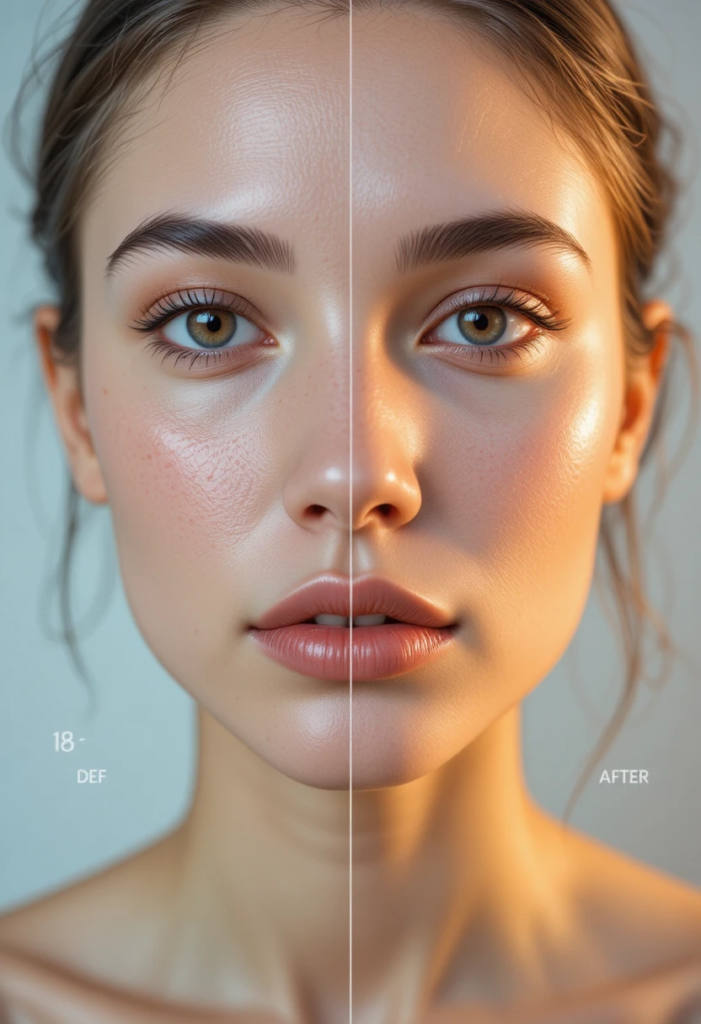
Skin cell turnover takes roughly a month on its own, and collagen remodeling takes even longer. Introducing five new products and expecting results in two weeks is one of the most common reasons people abandon routines that were actually working. Patience is, unfortunately, part of the routine.
A Simple Sample AM/PM Routine Using These Ideas
If that list feels like a lot to organize, here’s how it fits together in practice:
Morning:
- Gentle cleanser
- Vitamin C or alpha arbutin serum
- Niacinamide (optional layer)
- Lightweight, non-comedogenic moisturizer
- Broad-spectrum SPF 30+ mineral sunscreen
Evening (alternate nights based on tolerance):
- Gentle cleanser (double cleanse if wearing SPF/makeup)
- Retinoid or chemical exfoliant (never both the same night)
- Azelaic acid or centella-based treatment on off-nights
- Moisturizer, sealing in with a silicone gel over textured areas if needed
- Aloe vera or honey mask 1–2 times weekly on rest nights
This is the exact structure to screenshot and pin for your next skincare refresh.
Common Mistakes That Slow Down Scar Fading
- Layering too many actives at once — irritation triggers more inflammation, which can create new dark marks even while you’re trying to fade old ones.
- Skipping sunscreen “because it’s cloudy” — UV rays penetrate clouds and windows, and this is the single most common reason results stall.
- Switching products every two weeks — most active ingredients need 8+ weeks of consistent use to show visible change.
- Picking at active breakouts — this creates new scars while you’re still trying to treat old ones.
- Using body-strength acids or DIY lemon juice treatments on the face — natural doesn’t always mean gentle, and high-acidity DIY treatments can cause chemical burns or worsen pigmentation.
Frequently Asked Questions
How long does it actually take for acne scars to fade?
It depends heavily on scar type. Flat discoloration (hyperpigmentation or redness) often improves within 3–24 months with consistent care, while textured or pitted scars typically need professional treatment alongside a home routine for noticeable change.
Can I use retinol and Vitamin C together?
You can, but it’s gentler on your skin to separate them Vitamin C in the morning, retinoid at night. This reduces irritation risk while still getting the benefits of both.
Do natural remedies like honey or aloe actually work on acne scars?
They can support skin healing and soothe irritation, but they work more slowly and gently than active ingredients like retinoids or Vitamin C. Think of them as a helpful addition, not a stand-alone treatment for stubborn scarring.
Is it too late to treat scars from years ago?
No while older scars may respond more slowly than fresh ones, ingredients like retinoids and in-office treatments like microneedling or lasers can still create visible improvement even years later.
When should I see a dermatologist instead of treating scars at home?
If you have deep, pitted, or icepick scars, or if you’ve used a consistent home routine for several months without any visible change, it’s worth booking a dermatologist consultation to discuss in-office options.
Final Thoughts
Fading acne scars isn’t about finding one miracle product it’s about layering a handful of proven ingredients consistently, protecting your progress with daily sunscreen, and giving your skin the time it actually needs to heal. Pick two or three ideas from this list to start with, build up slowly, and let your routine do the quiet work in the background

